


brugbart.com


Art Tutorial

Make things as simple as possible but no simpler.

News and Articles
What Our Client Says

brugbart.com
brugbart.com
brugbart.com
 Tile floors look tough. And they are. But the grout between them tells a different story. It stains. It traps moisture. It harbors bacteria. For years, cleaning tile and grout meant scrubbing by hand, using harsh chemicals, and hoping for the best. Now, with advanced methods and professional tile and grout cleaning Brisbane services, technology is changing that process in real, practical ways. From high-pressure steam systems to smart cleaning tools, the industry has moved well beyond the mop and bucket.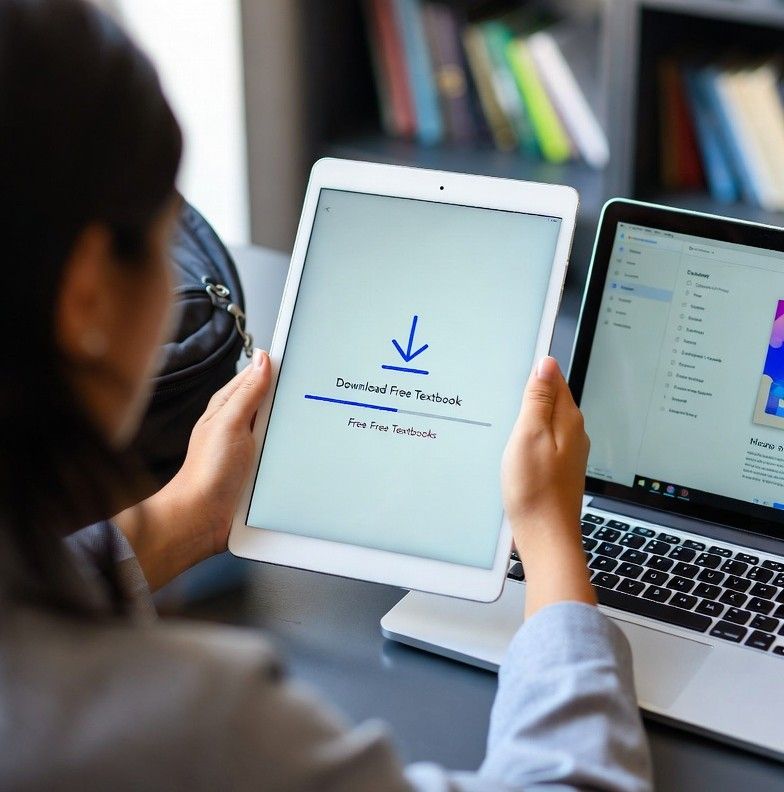
According to recent research by BestColleges and data compiled from the College Board, full-time college students often spend over $1,200 each year on books and supplies, which can feel like a budget-busting hit before tuition and rent are even paid. That’s a real eye‑opener when you think about it, especially in a time when education tech could change everything. So why are some students still spending so much when digital tools and online communities offer alternatives?
Many students, especially in their first year, turn to the internet looking for answers, typing queries like “where to get college textbooks for free” hoping to make it through the year without breaking the bank. What they discover is just the tip of a vast ecosystem powered by open access, smart algorithms, and cloud platforms that are quietly reshaping education. This is the story of the tech making free textbooks a reality for everyone.
To grasp the tech at work, you have to understand why free textbooks exist in the first place. Traditional textbooks are locked down by strict copyrights and fancy pricing. Open Educational Resources (OER) shake that up by using Creative Commons and similar licenses that clearly allow sharing, teaching with, and sometimes even remixing content. That means professors, students, and self‑directed learners can use or adapt materials without legal headaches.
Platforms such as OpenStax, the Saylor Academy, and university OER repositories host free textbooks on subjects from calculus to literature. The tech behind these resources is simpler than you’d expect. They are digital files tagged with smart metadata that helps search tools and catalogs find them quickly. And when search engines can find free textbooks, students win.
If OERs are the fuel, then discovery technology is the engine. You can have all the free textbooks in the world, but if students can’t find them, they might as well be in a basement archive. Enter academic search engines and library catalogs.
Tools like Google Scholar, WorldCat, and specialized educational search engines crawl thousands of academic repositories. They index metadata for books, chapters, and educational resources. When a student searches a keyword or topic, these systems parse the query, match it with indexed entries, and surface results that often include links to free downloadable files. Think of it as a librarian with superpowers that never sleeps.
Some platforms offer APIs that let developers build mobile apps and browser extensions that show free textbook options alongside paid ones. So if you search for a class title, an app might display a free PDF next to the official publisher’s listing. That sort of connective tech is quietly becoming a game changer in how students access materials.
Storage and delivery matter too. Free textbooks have to live somewhere, and that’s where digital libraries powered by cloud services step in. Systems using services from big cloud providers or academic‑focused hosting let students download or stream materials without worrying about slow servers or broken links.
Older catalog systems were tucked behind university firewalls, meaning only students on campus could browse them. Newer federated search tools let students query multiple libraries at once, virtually turning every participating library into one massive shared catalog. It’s like having a global library card that just works, whether you’re on a laptop or phone.
Responsive design and mobile apps make all of this even friendlier. Students flipping through PDF textbooks on their phones, highlighting passages, and jumping to video lectures show just how far digital learning has come.
There’s also a social layer that deserves attention. Platforms like GitHub and community education hubs let educators collaborate on open textbooks. They update content, add examples, fix errors, and track changes. This is similar to how software developers work together, and it keeps materials fresh in fast‑moving fields like computer science.
Version control tools let multiple people edit a textbook at the same time, merging improvements and keeping a record of changes. It’s like a community project for learning materials that stays current because the people who use it can contribute to it.
Innovation in educational tech keeps evolving. AI tools are being tested to summarize sections of textbooks, generate practice problems, or suggest related free resources based on a student’s study habits. There is also growing interest in tech tools transforming math education and virtual tutoring, which show how digital platforms are helping students learn difficult subjects with more confidence. Augmented reality could make anatomy or history books immersive. Blockchain might help track contributions and credentials for textbook content. And faster global internet access means students in remote areas could access free academic content as easily as anyone in a big city.
The tech behind free textbooks is not some mystery. It’s a mix of open licenses, search and discovery tools, cloud storage, mobile apps, and community collaboration that makes academic content accessible. For students who once felt priced out of education, these systems are lifelines. They shorten search times, lower costs, and open up opportunities. As these platforms get better, more students will find what they need with less stress. That’s progress worth celebrating. Sooner or later, students will stop worrying about ‘where to get college textbooks for free’ and simply access what they need without the stress.
 Augmented reality (AR) is now transforming online shopping experiences at a rapid pace. From sneakers to makeup, the technology helps people see how products look and fit without visiting a store. But when it comes to traditional clothing, like the qipao, customization and fit are even more important. AR offers a new way to bring elegance and precision into a digital space, allowing customers to visualize garments like never before.
Shopping for culturally rich fashion online can be tricky, especially with pieces that follow strict tailoring standards.
The qipao’s signature silhouette, with its close-fitting lines and high collar, requires a perfect fit to achieve the look designers intend. Customers browsing platforms such as (robe chinoise) appreciate the craftsmanship behind each piece, but struggle with sizing and style decisions. That’s where AR-powered fitting rooms step in—letting users scan their body, try styles virtually, and tweak choices before they buy. It’s a more confident way to shop, especially for garments that hold traditional and emotional value.
One major benefit of AR fitting rooms is that they allow for realistic personalization. Users don’t just see a mannequin; they see how the garment drapes over their own figure. Whether adjusting sleeve lengths or experimenting with embroidery placements, shoppers get more control. The technology also reduces returns, a big issue for online sellers of tailored wear.
AR doesn’t erase tradition; it enhances it. Rather than replacing the experience of wearing heritage clothing, it makes it more accessible. For people outside regions where qipaos are typically sold, trying one used to mean guesswork and hope. Now, virtual fitting mirrors the real thing as closely as possible. This gives global customers the chance to explore historic fashion with confidence and curiosity.
AR tools also spotlight craftsmanship. Zoom-in features can show detailed stitching and fabrics, allowing designers to highlight hand-sewn features or rare textiles. It’s a win for both artistry and usability. Customers become more informed, and creators can share the pride behind each garment in meaningful ways.
Sites that focus on cultural apparel are finding creative ways to adopt AR. From Tokyo to Paris, many retailers are integrating features that mirror custom tailoring sessions. Imagine standing in your living room and seeing your reflection in a fitted silk qipao, complete with virtual lighting adjustments to simulate event settings. That’s where platforms specializing in cultural wear gain an edge: they combine heritage storytelling with tech innovation.
AR helps them attract wider audiences without compromising cultural integrity. Younger shoppers may be less familiar with traditional styles, but interactive tools draw them in. Virtual styling can teach the history behind garment designs, from dynastic inspiration to regional flair. This educational touch builds lasting customer relationships based on respect and shared discovery.
While AR in clothing retail has grown, it still faces obstacles. Precision remains a hurdle. A slight miscalculation in body mapping could mean inaccurate results, frustrating users. Additionally, not every customer has access to mobile devices or internet speeds that support AR experiences.
Retailers and developers need to consider inclusivity in design and roll-out. The goal is to make technology that works across devices and body types. Continuous testing, diverse modeling, and customer feedback are key to improving accuracy and usability.
ALSO READ: Tech Meets Trends: Elevating Your Wardrobe Collection in Malaysia
Augmented reality invites us to reimagine how we explore fashion tied to tradition. Rather than walking away from heritage, it builds bridges. A virtual fitting room won’t replace the thrill of trying a qipao in person, but it comes closer than ever before. Cultural clothing platforms are leading the way—preserving beauty while embracing change.
 Colorbond roofing has long been a popular choice for homeowners and builders in Australia. Known for its durability and clean finish, this material has stood the test of time. Today, technology has made colorbond roof even better. From advanced coatings to smart integration with solar panels, tech is helping homeowners enjoy more benefits from their roofs.
In the past, roofing materials were prone to fading, rust, and corrosion. Today’s Colorbond roofs use high-tech paint systems that resist UV damage and harsh weather. These coatings don’t just make the roof look better—they also help it last longer. Some Colorbond products use solar reflectance technology, which reflects more heat and keeps homes cooler. This helps reduce air conditioning costs and improves energy efficiency.
Modern machines have changed how Colorbond roofing is made. Instead of one-size-fits-all panels, today’s technology allows manufacturers to cut and shape panels to exact measurements. This makes installation faster and more secure. A better fit also means fewer gaps and leaks, leading to stronger protection during storms and heavy rain. Builders and installers benefit too, because less on-site cutting is needed, reducing waste and saving time.
Many homeowners are now adding solar panels to their roofs. Colorbond roofing is well-suited for this, and new technology has made integration easier. Roof designs are now optimized to support solar brackets without damaging the surface. Some Colorbond options also include hidden cable pathways to make solar installations cleaner and more secure. With energy prices rising, combining Colorbond roofing and solar tech is a smart long-term investment.
Technology continues to push the roofing industry forward. In the future, we may see even smarter Colorbond materials—such as roofs that can monitor temperature or send alerts if damage is detected. For now, homeowners can feel confident knowing that their Colorbond roof offers strong protection, energy savings, and modern design backed by years of innovation.

Math tutoring has evolved. Traditional face-to-face sessions are no longer the only option for students who need help. With the rise of virtual platforms, students can access expert tutors from anywhere, making learning more flexible and effective.
For students who struggle with math, technology is a game-changer. Virtual tutoring provides personalized guidance, instant feedback, and interactive lessons. A high school math tutor Asheville can now offer customized support through video calls, digital whiteboards, and AI-powered tools, helping students easily grasp complex concepts.
Technology-driven tutoring goes beyond convenience. It enhances understanding through engaging visual aids, real-time assessments, and adaptive learning techniques. Many online platforms use artificial intelligence to assess students’ progress and adjust lessons accordingly.
Collaboration tools like shared documents and virtual whiteboards allow students and tutors to work through problems together. This interactive approach makes learning more engaging than passive video lectures or textbook exercises.
Accessibility is one of the biggest advantages of virtual math tutoring. Students in remote areas, those with busy schedules, or those who feel anxious about in-person sessions can benefit from online instruction. The flexibility of scheduling means students can get help when they need it most, whether it’s after school, on weekends, or even late at night.
Additionally, virtual tutoring platforms often provide recorded sessions. This allows students to revisit explanations and reinforce their understanding at their own pace.
Artificial intelligence is revolutionizing education. AI-driven tutors analyze mistakes, identify patterns, and recommend targeted exercises. This level of personalization helps students master difficult topics faster.
Chatbots and AI-powered assistants are also becoming more common. They can answer quick questions, provide step-by-step solutions, and even generate practice problems based on a student’s skill level.
Gamification is making math more enjoyable. Many virtual tutoring platforms integrate game-like elements such as leaderboards, badges, and rewards. These features motivate students to complete lessons, practice problems, and challenge themselves.
Educational apps like Prodigy and Khan Academy use gamification techniques to make learning feel less like a chore and more like an interactive experience.
While online tutoring offers many benefits, it’s not without challenges. Some students may struggle with self-discipline in a virtual setting. Without a physical classroom environment, distractions can be a problem.
Internet connectivity and technical issues can also disrupt lessons. However, most platforms have solutions such as offline access, chat support, and troubleshooting guides to minimize disruptions.
As technology advances, virtual math tutoring will continue to evolve. Augmented reality (AR) and virtual reality (VR) may soon play a bigger role in making abstract concepts more tangible. AI will become even more sophisticated, offering deeper insights into student learning behaviors.
Ultimately, combining human expertise and technology shapes a future where math education is more effective, engaging, and accessible for all students.
Virtual tutoring is changing the way students learn math. It offers personalized, interactive, and flexible support, making complex concepts easier to grasp. With advancements in AI, gamification, and collaboration tools, technology will continue to play a vital role in math education.
For students looking for expert guidance, virtual platforms provide a valuable resource. Whether struggling with algebra or preparing for exams, the right tutor can significantly affect learning outcomes.
 A Reuters exclusive report disclosed that France’s Antitrust Regulator is about to file charges against computer chip maker Nvidia, for allegedly engaging in anti-competitive practices. Apparently, the charges are the results of a broader inquiry into the chip maker’s production of chips for both AI and graphics, following the launch of the generative AI application known as ChatGPT.
In a report issued last Friday, the French regulator cited the potential dependence on Nvidia’s Computer Unified Device Architecture (CUDA) chip used in powering up software that runs the competitive generative AI messaging platform known as Chat GPT.
OpenAi’s launch of ChatGPT had catapulted Nvidia to the forefront of AI technology as there was a notable boom in the demand for Nvidia’s CUDA chip, It is the only chip that is 100% compatible with the graphics processing unit (GPUs), which Nvidia expanded to accelerate computing. ChatGPT, albeit described as a disruptive chat bot, demonstrated the immense power of Nvidia’s CUDA chip.
 A GPU by the way is an electronic circuit that has the ability to carry out high-speed mathematical calculations typically used to accelerate computing tasks like graphics rendering, video editing and machine learning (ML).
The French watchdog is said to be the first regulator set to enforce actions against Nvidia’s unfair competitive practice in computer chip production.
Additionally, the French regulator also expressed unease over the recent investment made by Nvidia in CoreWeave, a cloud service provider with AI capabilities.
 In the fast-paced world we live in, efficiency is the name of the game. Whether it’s in our personal lives or in the business world, finding ways to streamline processes can greatly improve productivity. This is where advanced towing technology comes into play. Having the right tools can make all the difference in ensuring a smooth and hassle-free experience. Whether you are a professional towing company or an individual helping out a friend, having the essential tools on hand can save time, effort, and potential damage to the vehicles involved.
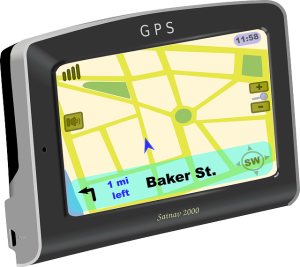
One key advancement in towing technology is the integration of GPS tracking. This allows towing companies to pinpoint the exact location of a stranded vehicle, ensuring a faster response time. With the ability to track their fleet in real-time, companies can easily dispatch the nearest available tow truck, reducing wait times for customers and improving overall satisfaction. Additionally, this technology also improves driver efficiency, as they can be directed to the most optimal routes to reach the distressed vehicle quickly.
One of the most important tools for towing company San Jose is a reliable tow strap or tow rope. These are designed to securely connect the towing vehicle to the one being towed, providing the necessary strength and flexibility to safely transport the vehicle. It is crucial to choose a tow strap or rope with a high weight capacity, as well as one that is durable and resistant to stretching or fraying.
Another must-have tool for a smoother towing experience is a sturdy set of wheel chocks. These small blocks are placed behind the wheels of the vehicle being towed to prevent it from rolling or shifting during the towing process. Wheel chocks provide an added level of safety, ensuring that the vehicles stay in place while being transported.
Another valuable feature of advanced towing technology is remote disabling. In situations where a vehicle needs to be towed due to unauthorized parking or repossession, the ability to remotely disable the vehicle can save time and resources. Instead of having to physically remove the car from the location, a tow truck equipped with this technology can simply disable the engine remotely, preventing any further movement. This not only expedites the towing process but also minimizes the potential for damage to the vehicle.
 Lastly, real-time diagnostics have revolutionized the way towing companies can address roadside breakdowns. By connecting a vehicle’s diagnostic system to the towing company’s network, mechanics can quickly diagnose the issue and arrive at the scene with the necessary tools and parts. This eliminates the need for multiple trips and ensures that the problem is resolved efficiently. Additionally, real-time diagnostics can help identify recurring issues, enabling proactive maintenance and reducing the likelihood of future breakdowns.
In conclusion, advanced towing technology offers numerous benefits to both towing companies and their customers. Having the right tools is essential for a smoother towing experience, whether for professional towing companies or individuals assisting others. As technology continues to evolve, we can expect even more innovative solutions that will further enhance the towing experience, making it faster and more seamless than ever before.

The bustling city of San Jose, known for its technological prowess, is experiencing a profound transformation in an industry that might not immediately come to mind when thinking of innovation—the heavy duty towing San Jose sector. Technological advancements are reshaping the landscape of towing services in San Jose, introducing efficiency, safety, and cutting-edge solutions to an industry often associated with raw power and resilience.
One of the notable changes in the heavy-duty towing industry is the widespread integration of GPS tracking and fleet management systems. Towing companies in San Jose now leverage these technologies to optimize routes, monitor vehicle locations in real-time, and enhance overall fleet efficiency. This results in quicker response times and improved coordination, crucial factors in providing effective heavy-duty towing services.
Telematics systems have become integral in the maintenance of heavy-duty towing vehicles. These systems collect and analyze data related to the performance of the vehicles, enabling predictive maintenance. Towing companies can now anticipate potential issues, address them before they lead to breakdowns, and ensure the reliability of their fleet. This proactive approach minimizes downtime, contributing to a more resilient towing service in San Jose.
Robotic technologies are making their mark in heavy-duty towing, enhancing safety for both towing professionals and the public. Automated systems can assist in lifting and securing heavy loads, reducing the physical strain on operators. Additionally, robotics contribute to more precise maneuvers, especially in challenging conditions, ensuring a safer towing experience on the busy streets of San Jose.
ALSO READ: Tech Solutions in Personal Injury Law: How Houston Lawyers Leverage Technology for Cases
Blockchain, known for its role in secure and transparent transactions, is finding applications in heavy-duty towing documentation. The technology provides an immutable and transparent record of towing operations, from accident scenes to vehicle deliveries. This not only streamlines paperwork but also enhances accountability and transparency within the towing industry in San Jose.
In a city that values environmental sustainability, the introduction of electric tow trucks is a significant step forward. These eco-friendly vehicles contribute to a reduction in emissions and noise pollution, aligning with San Jose’s commitment to a greener future. Electric tow trucks also showcase how even traditionally fuel-dependent industries can embrace cleaner and more sustainable technologies.
As San Jose continues to be a hub for technological innovation, its heavy-duty towing industry is embracing these advancements to offer more efficient, safer, and environmentally conscious services. The integration of technologies like GPS tracking, telematics, robotics, blockchain, and electric vehicles reflects a commitment to staying at the forefront of industry evolution, ensuring that the city’s towing services are not only powerful but technologically sophisticated. The heavy-duty towing sector in San Jose is proving that, when paired with innovation, even the toughest jobs can benefit from the seamless integration of technology.
Since 2001, air taxis were a lready considered for operations in the US through a NASA study that delved into the potentials of SATS. The latter being the acronym of the Small Aircraft Transportation System, for which studies in the manufacture of electric air taxis have been conducted by the aerospace industry.
An air taxi before, simply referred to a small commercial aircraft that provides, as a service, brief flights on demand. Currently, they are now known as electric vertical takeoff and landing aircraft or eVTOL, of which thousands are expected to fly above cities to provide air taxi services by the year 2030.
Last Sunday, Nov. 13, light aircraft manufacturer Joby Aviation launched an exhibition flight in the city, which took off at the Manhattan Heliport in Downtown,New York. It’s the first time that Joby deployed a first-ever electric air taxi flight in an urban environment.
J oby plans to make electric air taxis available by 2025, to bring JFK Airport passengers to downtown Manhattan. The quiet, emissions-free eVTOL journey takes around seven minutes. Recharging of the electric air taxi takes about five minutes, while passenger unloading and boarding is taking place trip in a manner similar to a rideshare transport system. The cost of booking a trip is yet to garner approval although reports have it that the future cost will also be similar to rideshare.
Currently, the technology is already in the third phase of obtaining a five-stage certification from the Federal Aviation Administration.
A new edition of Google Smart Glass called Envision Glasses has been built to help blind people scan faces. navigate their way in new spaces and read documents.
Although Google introduced the smart glasses in 2013, the original version was not for visually impaired users. After a limited and rather unsuccessful release, a group of people led by Karthik Kannan started working on Envision as an enterprise edition of the Google smart glasses.
A blind person wearing a pair of Envision gets help from the artificial intelligence designed to help visually impaired or blind wearers better understand their surroundings.
Outfitted with a small camera positioned on the side of the Envision glasses, the camera scans people, objects and text and then relays the captured information to a wearer’s “Ally” by way of a small built-in speaker. That Ally will describe the environment or tell the Envision wearer if someone is approaching. That being the case, the “Ally” feature of the Envision glasses must be turned on. Doing so will enable Envision wearers to make video calls with their family or friends whenever they need help.
The wearable design mainly relies on capturing information, which a user’s ally will relay by describing the environment or reading the document.

The instinctive manner we grasp the wheel and set off to drive from point A to point B, anticipating a pleasant, uncomplicated trip, is something we take for granted. Driving a Heavy Duty Towing truck has been a convenience that has revolutionized our lives since the invention of the vehicle. Driving, on the other hand, comes with no promises of avoiding disasters, and unforeseen, unforeseeable safety issues might arise.
Thankfully, during the decades since driving has been a necessity, a variety of new technologies have emerged to assist make driving a safer experience every time.
Some technologies, although not quite artificial intelligence, are capable of reacting to particular conditions. Other technologies operate as an additional pair of eyes, alerting you to possible threats and allowing you to respond quickly enough to prevent injury to yourself, your car, or others while driving.
Automobile manufacturers are speeding up the deployment of technologies aimed at preventing collisions and improving road safety. According to research by the Insurance Institute for Highway Safety and the Highway Loss Data Institute, selected accident avoidance features, their prevalence, and real-world safety impacts are shown below.
Blind spot technology identifies and alerts drivers of cars they can’t see beside their vehicle. The system offers visual, audio, or tactile indicators, such as steering wheel or seat vibration, depending on the manufacturer, to warn drivers when changing or merging lanes is dangerous.
Forward collision warning systems use cameras and other sensors, such as radars or lasers, to provide drivers an auditory, visual, or tactile indication if they are approaching a vehicle or object too rapidly. At lesser speeds, advanced systems with automated emergency braking can stop a vehicle to prevent a collision, while at greater speeds, they can minimize the crash force.
Lane departure warning systems can tell drivers if their automobile starts to drift out of a lane on roads with clear lines, allowing them to prevent collisions. The function uses cameras to monitor striped and solid lane lines and provides visible, audio, and tactile feedback to drivers. Lane departure warnings are overridden when the turn signal is used.
The Google update MUM is rolling out – it will revolutionize search as we know it. This poses new challenges for search engine optimization including link building services. Those responsible for online marketing are well-advised to deal with the topic in good time.
MUM stands for Multitask Unified Model and is a big step towards a semantic and context-based search engine that can clearly identify search intentions and map the knowledge of the world. The technology enables answers to complex questions. To do this, the Google user is sent to topic paths. The search becomes more intuitive and at the same time more exciting – by including photos, videos, and audio formats. One thing is clear: the ‘blue links’ displayed in the search results will lose some of their importance.
Read also: SEO & Link Building For Growth
With the update, Google comes to a “real understanding” of the meaning of search queries and web content – the keyword match takes a back seat. In order to prepare for MUM’s new preferences, here are recommendations for companies to follow.
Outlook: Google MUM comes as no surprise. The new technology continues a development that was already apparent in previous updates and the increasing importance of semantic search. Anyone who has always done their SEO homework has a good foundation today – Google MUM opens up interesting new perspectives for everyone else.
A new technology has been developed to improve building windows, which are deemed as the least efficient as they are responsible for 60% of total energy lost. Nanyang Technological University’s Yi Long and her colleagues solved the problem by inventing a smart window that automatically regulates the radiative cooling by turning the process on or off depending on the temperature affecting a building.
Radiative cooling is the process of radiating thermal energy inside buildings, which takes place when the windows outside during warm weather radiate heat inside, which increases demand for cooler air produced by air conditioning systems. Conversely, windows warmed from the inside during cold seasons tend to radiate the heat outside, which increases the demand for heat produced by indoor heaters.
The group of scientists from Nanyang Technological University added a a thin layer of vanadium dioxide on one side of the glass, whilst adding vanadium dioxide, a compound that transforms an insulator into becoming a conductor once temperature reaches 68°C. If the temperature is below 68°C, the smart window will prevent infrared radiations from the inside from escaping. At the same time, the window technology will reflect the heat on the outside.
On the other hand, since a 68°C temperature is an extremely hot temperature that does not occur even during the warmest weather conditions, the team added tungsten to the vanadium dioxide as a way to lower the transition temperature to 28°C.
In between the tungsten-clad vanadium dioxide and the glass material of the smart window, the researchers added another layer of transparent poly(methyl methacrylate) or PMMA plastic, to improve the smart window’s insulating abilities.
According to Long, the smart windows do not require electricity when adjusting to the temperature everyday. Still, the team of researchers are still working out a few more improvements before making them commercially available, including its durability nad utmost ability to block infrared radiations.
Last week, Facebook launched its Ray-Ban= branded smart glasses in several online stores in Australia, US, Canada, UK, Ireland and Italy. Facebook calls the smart glasses “Ray-Ban Stories,” as a pair can take photos and record 30-second long videos at the same time with just a single press of a button.
In addition, wearers of “Ray-Ban Stories” can also make calls, play music and listen to their favorite podcasts. This wearable device includes a virtual assistant that can help in taking photos and creating videos, which users can summon by simply calling it out via the phrase “Hey Facebook.”
Apparently, Facebook’s “Ray-Ban Stories,”still has to prove itself amidst other smart glasses previously released in the wearables market by Internet giants like Google, Amazon and Snap.
As it is, “Ray-Ban Stories,” still has limitations since the wearable gadget requires recharging every six hours inside its charging case. Moreover, it doesn’t have the ability to browse through Facebook. While the average consumer appears not to be too keen about smart glasses, recent reports have it that Apple and Samsung are currently developing AR glasses for their own brand.
Facebook’s “Ray-Ban Stories” are currently being retailed online at a starting price of $299. According to Facebook CEO Mark Zuckerberg, they have plans to improve the features and functions, as well as expand their smart glasses collection by adding AR effects. The goal is to allow users to play with holograms of their friends, as well as experience social media interaction without using their smartphones.
Read More >
In a rare show of unity, Democratic and Republican senators agreed to pass a bill that will enable the U.S. to augment its research and production technologies. According to experts, such a course of action will empower the U.S. in countering the effects of a continuously expanding global competition, a tool specifically used by China in advancing its military and economic ambitions.
According to Senate Majority Leader and co-sponsor of the bill Senator Chuck Schumer, he believes that by surpassing the world in terms of innovations, production and competitions in future industries, the country will have the capability to outdo competitors.
The legislation authorizes around $250 billion to fund semiconductor manufacturing and development technologies, subsidies for robot makers and chipmakers, as well as for technology research. The global scarcity of computer chips is one of the important reasons why lawmakers are strongly pushing for this bill.
Furthermore, the bill also has several provisions specifically involving China and this includes prohibition of installing Chinese-developed apps like TikTok, in government devices and computer equipment. The legislation also blocks purchasing of drones manufactured and sold by Chinese state enterprises. The bill also authorizes the U.S. administration and its federal agencies to impose sanctions against Chinese organizations found involved in the theft of US intellectual property, or in launching cyber attacks against the U.S.
President Joe Biden praised the US Senate’s course of action, saying it’s high time for the government to invest in American innovation and workers. He said that the U.S. cannot fall behind because other countries have started investing in research and development in order to stay ahead in the 21s century global competition.
MIT Engineers recently developed a method for recycling plastic bags by turning the basic plastic material polyethylene into wearable, self-cooling fabrics.
Polyethylene, the thin and lightweight material used in making plastic wraps and shopping bags, if recycled into wearable textiles can keep the body cool as it lets heat through instead of trapping it in. However, the problem with polyethylene is that it does not wick or evaporate moisture.
That being the case, the MIT engineers devised a way of reversing the anti-wicking property, so that a wearable polyethylene fabric will not lock in sweat and water.
In order to create wearable fabrics out of polyethylene, the engineers improved the fiber’s wicking ability by making a model of the fibers’ properties. They then aligned the fibers in specific directions and with a particular diameter when spun into silky lightweight yarns. Using an industrial loom, the polyethylene yarn was then woven into fabrics.
The fabric’s ability to soak up and evaporate water was tested, which turned out to be faster, in comparison to ordinary textiles like polyester, cotton, and nylon.
Initially, the testings showed that through frequent soaking, the polyethylene fabric loses its wicking ability overtime. The MIT engineers easily solved the problem by exposing the fabric to UV light and by applying friction. According to Svetlana Boriskina, a research scientist in MIT’s Dept. of Mechanical Engineering, the wicking ability of the material can be refreshed and maintained by simply rubbing the fabric to create friction.
Scientists at the MIT’s Dept. of Mechanical Engineering, hope that in the future the adoption of polyethylene fabrics would encourage recycling of plastic bags and other products that contain polyethylene. According to Ms. Boriskina, instead of throwing plastic bags into the ocean, it can be easily recycled into a fabric for making something wearable like a hoodie or a sneaker. If so, plastic bags will the have more economic value to people.
In his final week in office as U.S. president, Trump took a last action to further weaken Huawei by revoking the Chinese company’s U.S. based suppliers. A number of Huawei suppliers received notification from the Trump administration that the US Department of Commerce is revoking their license for continuing to do business with the Chinese communications company. Huawei has been banned in the U.S. for being a national security threat since May 2020.
Moreover, Trump’s executive order includes denying all pending applications submitted by other suppliers signifying intent to do business with Huawei. Their notices include having 20 days to respond to the matter, while the Department of Commerce will have 45 days to give further advice about any changes or give final notice about the rejection of their application. Upon receipt of the final notice, the rejected companies will have 45 days to submit an appeal.
The Semiconductor Industry Association told Reuters by way of an email that for many months, companies had been waiting for the Commerce Department’s decision on their applications. Now with less than a week remaining in Trump’s administration, the affected companies have to deal with the denials. They are yet facing another lengthy period before the department issues a final decision about the rejection of their application covering the shipment of their Huawei orders.
A Reuters source who spoke on conditions of anonymity said that at least four companies, including microchips manufacturer Intel received notification that their licenses have been revoked. The license revocation actually covered a broad range of semiconductor products, which denotes that some of the companies had more than one license canceled in relation to their Huawei deals.
However, the official spokesperson of the Semiconductor Industry Association refused to give further details on the matter. So does the White House, the Department of Commerce , Huawei or Intel.
The latest tech innovation from NVIDIA aims to improve video-conferencing platforms that are now in popular use as a result of the COVID-19 health crisis.
Leading tech solutions provider NVIDIA recently unveiled NVIDIA Maxine, a suite of tools that run on Artificial Intelligence. Providers or developers of video call applications or software can integrate NVIDIA Maxine’s capabilities to resolve certain performance issues being experienced by users of popular platforms like Zoom, Microsoft Teams, Google Meet and Skype.
As it is, the features and abilities of existing tele-conferencing platforms like Zoom can be affected by a location’s limited bandwidth. Performance can further be affected by other activities like streaming videos, playing with online games, by uploading as well as downloading large files, Since video calls are apparently becoming the new norm, providers and developers looking to upscale or to improve their services can harness the capabilities of NVIDIA Maxine.
Performance as point of reference, means app or platform users can have seamless and fluid sound and images for their video calls. While background noise and poorly rendered images are the most common issues encountered, NVIDIA Maxine’s suite of tools include features that allow face alignment, face re-lighting and gaze correction, which are in addition to incorporating high-definition background image enhancements.
Other capabilities include noise removal, closed captioning, real time translation and even virtual assistants. Such capabilities run in full progress and in real time for cloud-based video streaming apps by way of NVIDIA GPUs.
Resolution upscaling includes capability not only to adjust camera focus that places a video call participant’s face in the center of the frame. The resolution can also reorientate a video call app user’s face; or if preferred, choose an AI avatar to display as image to reduce network usage.
NVIDIA Maxine also comes with a video compression tool that can reduce the bandwidth by as much as 90% of the bandwidth ordinarily required when making video calls. This denotes that those using data to connect can save on data usage in ways that will dramatically reduce costs.
Inasmuch as Maxine runs in the cloud, whilst harnessing NVIDIA’s Tensor Core GPU acceleration, apps integrated with NVIDIA’s Maxine platform can work on any computer or smart device without the need to install graphics cards.
Awesome even is that Maxine-supported apps can easily be deployed as microservices, capable of scaling hundreds of thousands of streams in an extensible open-source environment.
 The medical advertising strategies of today concentrate on allowing patients to produce health care options that are smart convenient and it begins with a website. Even the goal is to attract and convert more visitors in 2019 and beyond, medical professionals want to get a wonderful healthcare site. Read more to be updated on the latest news on healthcare, technology, and goli reviews. Below are the best health care website features.
Patients have to be able to reserve, cover, and restore prescriptions directly on the site. 71 percent of millennials prefer scheduling, as Baby Boomers get comfortable with technologies. Online booking is becoming a requirement, and Accenture forecasts by the end of 2019, self-scheduling will be offered by 66 percent of health programs, and 64 percent of patients will utilize systems.
A complete 89 percent of individuals desire simpler, easy access for their health records. People have to speak if do not have a client portal that is simple to use. It will not be long until they are trailing far behind the competition.
Virtual appointments are all of the rages, and they are not a fad that may pass 78 percent of customers state they’d be interested in getting digital wellbeing services, and digital healthcare visits have risen from about 54 percent in 2014 into 71 percent in 2017.
There are too many diseases, symptoms, and disorders for anybody who is not a physician. That is so sufferers may research why people want an inner search function. Patients have to have the ability to get to know, confidence, and also find out about physicians or experts.
The hospital website that has emergency room wait times functions are great. Patients have to be aware of emergency room wait times. Increasing odds of bringing patients should include maps in case there are wait times on the website.
Folks need the very best care of their transformation. So professionals got a limited quantity of time to convince them that their therapy center is the very best. As a guideline, the healthcare website’s homepage must have:
That is old news by now, but health care sites for professionals will need to become mobile-friendly. Approximately 62 percent of owners use their device and 82 percent of users use a search engine if they are searching for a wellness facility or a treatment center.
Also, according to Google, 77 percent of smartphone owners have utilized their smartphones to discover health services and 79 percent of them say they are more inclined to revisit if it’s not difficult to use and/or discuss a website. One medical includes a fantastic mobile-friendly design that is instinctive for cellular users.
In case people haven’t begun investing in video advertising, professionals missing out on an abundance of patients. A movie is 50 times more likely to rank organically in the search results than text webpages, also in 2019, videos will probably account for 85 percent of internet visitors in America. Listed below are kinds of videos in healthcare websites must-have.
The finest sites for physicians speak to their viewers like human beings. ZocDoc Does this well. The medical sector has a tradition of using language which produces the normal patient gets confused. Professionals are more likely to join together by talking about the language the patients utilize.
The website has to be secured (HTTPS rather than HTTP). Do so by obtaining an SSL certification. Not having an unprotected website is like putting a red flag and website traffic that are wary. This is a no-brainer for healthcare.
Riot Games has given assurance that their new first-person shooter game Valorant will officially launch with the support of 128-tick servers and global data centers. The company said that they have been meticulously pouring over the netcode aspects of the game as a means of providing Valorant players the best gaming experience in competitive play.
Riot Games’ Valorant has been described by beta players as a combination of some of the most addictive first-person shooter games like Rainbow Six Siege and Overwatch, while equipped with mechanisms and ultra-realistic effects similar to Counter Strike.
In those types of games, server tick rates matter. That is why Riot Games made sure that players in most major cities and highly developed regions will have high tick rates, in order to underscore the competitive aspect that distinguishes the new Riot game from other hero-type plays.
First off, a reference to tick rate indicates the number of times per second that a video game generates and processes data that servers will receive and process in running game simulations. The faster the rate by which a server receives and completes the processing of data, the higher the tick rate.
The high tick rate in turn reduces any delay that transpires between server and gamer. At 128-tick, it means players receive 128 updates per second from the server, leaving a very small window for game cheats to launch their counter attacks.
Valorant games that run on 128-tick servers suggest that quick processing can reduce the timeframe by which server and gamer communicates, which likewise reduces delays by <35 ms. If played on a server that gets too close to the timeframe limit or even fails to process and send data to the gamer, plays can be adversely affected.
Those are the instances when issues like non-registration of hits, rubber banding, or when the physics of things fail to work. Game cheats usually take advantage of slow responses and slow play-simulation registrations.
Simply said, the shorter the delay between server and player, the less opportunity available to game cheats.
Valorant beginners might not find it easy to migrate to Riot Games’ Valorant, even if they have experience playing Counter Strike via 64-tick or 102-tick servers. This suggests that getting embroiled in Valorant competitive encounters in which kill-times are short, might prove to be a new and challenging experience.
Although some may take to valorant elo boosting technique as a means to advance in higher game levels, do so with careful considerations. Be sure to choose a professional player who will not be flagged for obviously playing on another player’s behalf, as boosting is also considered cheating.
A team of homegrown Filipino scientists provided Philippine health authorities with a locally developed Covid-19 test kits to help speed-up widespread testing.
Availability of testing kits was the initial problem met by the Philippine government in combating Covid-19 when it became known that the disease had entered the country. Yet a group of 15 Filipino scientists from the University of the Philippines in Manila’s National Institutes of Health and from the Philippine Genome Center came together to provide the critical tool as early as January 2020.
It became imperative for the Philippine government to act quickly when it became known that two Chinese nationals from Wuhan province were able to enter the Philippines and transmit the novel coronavirus during the early periods of the outbreak.
More so when the first case of community-transmitted Covid-19 infection was confirmed last March 02, 2020, involving a 62-year old Filipino male who regularly visited a Muslim prayer hall in one of Metro Manila’s busy communities.
The revelation only denoted that the spread of the disease in the country has become imminent. However, the Department of Health only has 2,000 kits available at present, while the number of people testing positive for Covid 19 infection quickly rose from 5, to 34 to 140, as of this writing. The number is expected to rise further, which means more aggressive testing is needed.
Thankfully, the scientists and researchers at Philippine Genome Center were proactive in performing their mission.
Tasked to conduct researches that work toward the development of low-cost technologies and generating new knowledge that will enable the Philippine government to detect and control infectious diseases using sustainable medical tools and equitable medical solutions, the team of U.P. scientists were able to produce test kits that quickly passed and earned the Food and Drug Administration’s evaluations and approval.
Dr. Raul V. Destura, Deputy Executive Director at the Philippine Genome Center (PGC), led the team of Filipino technologists and researchers in developing what is locally known as the The GenAmplify™ COVID-19 rRT-PCR Detection Kit.
According to Dr. Destura, the team started developing the test kit in January, 2020, immediately after Chinese scientists shared information about the entire genome sequence of the virus with the World Health Organization (WHO). The WHO in turn, disseminated the information to scientists to countries across the globe; whilst urging all research organizations to use the information in helping their respective country meet the necessary requirements in combating the novel coronavirus that at that time, already showed potentials of turning into a pandemic.
Dr. Destura said they are currently coordinating their activities with the Department of Health to rapidly diagnose people suspected to have spread the Covid-19 plague. The PGC Executive Director also reported that they have already manufactured and stockpiled kits in numbers sufficient to test 1,000 suspected cases.
The Department of Science and Technology (DOST), under whose administration the PGC operates, said the local scientists will be able to immediately deploy FDA-approved 1,000 test kits In the coming weeks, and that they will be able to supply 2,000 to 3,000 more thereafter. The DOST also said that
”Although raw materials can be a limiting actor, the department gave assurance that their current supply of raw materials is enough to make 6,000 test kits for now.” “Orders to see to the development of 20,000 additional test kits have been placed.”
What makes the locally developed Covid-19 test kits significant is their affordability; an important factor in making the tool more accessible throughout the country.
Whereas the Philippine government has to procure foreign-developed test kits at a cost of ₱8,500 per unit, the GenAmplify™ Covid-19 testing tool developed by Filipino scientists costs only ₱1,320 per unit.
Reports have it that the WHO is also evaluating the testing capabilities of four other Philippine reference laboratories, namely the Lung Center of the Philippines in Metro Manila, the Baguio General Hospital in Northern Luzon, Vicente Sotto Medical Center in Visayas and the Southern Philippines Medical Center in Mindanao.
That way, the Philippine government through the Department of Health will be able to undertake widespread testing throughout the archipelago as soon as possible.
The Federal Communications Commission (FCC) which administers the Universal Service Fund (USF) has added a new rule that bars American telecommunication companies from using and/or buying equipment from Chinese companies Huawei and ZTE.
The new USF requisite is in connection with the FCC’s decision to officially recognize Chinese telecommunications companies Huawei and ZTE as threats to national security.
FCC Board Chairman Ajit Pai remarked that in light of the threats posed by the aforementioned Chinese companies to the U.S. security and to the integrity of the country’s 5G future, the FCC cannot just sit idly and hope that nothing untoward happens.
The USF furnishes federal financial subsidies amounting to billions of dollars, available to American wireless carriers and network service providers, intending to offer wireless communication throughout the United States. The new FCC rule mirrors the shared views of U.S. intelligence officials and American legislators that Huawei and ZTE telecoms equipment could be used in carrying out espionage activities detrimental to the country’s security.
Actually, the FCC Committee plans to go further as the approving panel is also poised to sign on another ruling that requires U.S. wireless carriers to fully remove all Huawei equipment currently being used by their respective networks. According to FCC Commissioner Brendan Carr, it follows that
”If Huawei equipment poses as a threat to the country’s national security, stopping federal subsidies is not enough.” “The equipment in question must also come out of the network.”
The new rules are set to take effect in February 2020, after having been pushed back several times over ever since the Trump administration took action in barring Huawei and ZTE from bringing their business to the U.S.
The Rural Wireless Association, a group comprised by rural wireless businesses, voiced concerns that making the change will come with significant across-the-board costs. Mainly because as rural wireless carriers and service providers, their plans and projections were based on using the more affordable and at the same time reliable, Huawei equipment.
Needless to say, the new FCC rules also pose as a major problem for Huawei. A Huawei spokesperson read a statement issued by the Chinese company, which believes the new USF condition is unlawful.
According to the statement, The Commission had adjudged Huawei as a threat to national security based on mistaken assumptions, innuendos and selective information. The FCC panel that approved the new ruling had done so without requiring and examining evidence that proves Huawei is indeed a security threat to the United States.
Huawei, the China-based ICT infrastructure and smart device provider launched its latest mobile devices, the Mate 30 and Mate 30 Pro. The company touted the new devices as potentially the world’s smartest 5G phone, despite a serious flaw: the lack of popular Google applications. The lack denotes that Mate 30 users will not be able to access Google Maps, YoutTube, Google Drive, Photo Galleryand Gmail. Moreover, Mate 30 series users will not be able to download apps via the Play Store, although Huawei built its own app store as an alternative.
Huawei CEO Richard Yu confirmed that users of the Mate 30 series will not be able to install the popular Google apps. The new Huawei communication devices they unveiled, are configured to run on an operating system that Huawei developed using the open-source version of Google’s Android OS; sans the latest updates present in the licensed versions.
Google is barred from collaborating with Huawei as a result of the U.S.-China trade war and mainly due to the Executive Order (EO) issued by president Donald Trump last May. The EO prohibits American companies from using information and communications technology (ICT) infrastructure provided by blacklisted companies suspected as posing national security threats.
On the same day the EO was signed, the U.S. Commerce Department included Huawei and its 70 affiliates in the so-called “Entity List” of companies that cannot procure components and parts from U.S.businesses without first securing approval from the U.S. government.
That being the case, Google also blocked future Huawei devices from using updated versions of the Android OS. Although there has been some reprieves, to which the Commerce Department gave Huawei temporary and limited exemptions to let the company maintain telecommunications services and updates to existing Huawei users.
The reprieve is slated to end by November 19 of this year, and by that time, Huawei device users would have been weaned from using the brand. Apparently, the ban will stay thereafter, as the Commerce Department added 46 more of Huawei’s affiliates to the “Entity List.”
The larger issues against Huawei are the 21 indictment charges filed by the U.S. Justice Department against Meng Wanzhou, Huawei’s CFO and daughter of Huawei founder. The charges include allegations of theft of trade secrets, bank and wire fraud, as well as conspiracy to defraud the U.S. government.
Researchers at the National University of Singapore (NUS) have developed a unique sensor system designed to give robots and prosthetics, artificial skin with human sense of touch. They call it the “Asynchronous Coded Electronic Skin (ACES), which is an e-skin that can yield the same or even better sense of touch as the human epidermis. The breakthrough sensor system developed by the researchers enables the e-skin to respond 1,000 times faster than the human sense of touch.
Assistant Professor Benjamin Tee of the NUS Faculty of Engineering and his team, all from the NUS Department of Materials Science and Engineering, have been working for more than a year in developing a sensor system modeled after the human sensory nervous system, but with greater capability at performing better. Although electronic skins have been previously developed, the ACES e-skin is different.
Unlike earlier models of e-skins that have interlinked wiring systems, the ACES sensor system is made up of a network of sensors connected by way of a single electrical conductor. The improvement makes the ACES skin innovation robust, as the absence of wiring systems reduces sensitivity to damage, as well as makes the innovation scaleable.
The electronic skin technology developed by Asst. Professor Tee and his team is touted as the fastest ever developed. Compared to the human sensory system, NUS’ ACES detects touches 1,000 times faster. At a speed of less than 60 nanoseconds, it can differentiate physical contacts when interacting with different sensors, even in large numbers.
Inasmuch as e-skins will experience frequent physical contact with objects in the environment, the NUS research team led by Asst. Professor Tee made sure their design is robust enough to withstand physical damage. In order to attain such a goal, they outfitted the ACES e-skin with sensors that can be linked to a common electrical conductor, while still allowing each sensor to operate independently.
The configuration therefore empowers the ACES-enabled electronic skin to keep functioning as long as there is at least one connection between the conductor and the sensor; making the e-skin on a robot or prosthetics more robust against damages.
According to Asst. Prof Tee
“Scalability is an important consideration because large pieces of high performing electronic skins are required to cover relatively broad surface areas of prosthetic devices and robots.”
That being the case, the NUS assistant professor and his team made it possible for ACES e-skins to easily combine with any kind of sensor skin layers; such as those designed to recognize temperatures and humidity by way of touch. Asst. Professor Tee cited the scalability trait as important, as it gives the ACES-enabled skin exceptional sense of touch that can work for a wide range of purposes.
Through scalability, ACES-enabled e-skin can be developed for different potential applications. Some examples include; but not limited to, creating robots that carry out disaster recovery missions, or warehouse-packing tasks, as well as realistic prosthetic limbs that will allow persons with disabilities to restore their sense of touch.
Graphic designing, as many have already found out, is no longer a daunting task. After all, there are now tutorials and graphic software like the Adobe Photoshop, CorelDraw and Gimp that enable aspiring graphic artists to create designs, even with a minimum of skill and artistic capability. It is now just a question of whether the design created can achieve the desired impact and deliver its purpose as a visual communications medium.
In fact graphic designs are everywhere, from as trivial as a candy wrapper to as common and massive as billboards, signage, t-shirts, coffee mugs and a host of other commercial, cultural and social usages.
Determining their effectiveness is gauged by their ability to influence consumers into buying a product, or in providing information needed, as well as in drawing positive attention to itself as an excellent creative work.
That being said, graphic artwork can take on a distinction of being an effective tool for communicating a specific message. In order to attain that level, designing a visual material requires efficient presentation of the basic elements of art, and proper execution of the fundamentals of graphic design.
Basic elements of art or design are the lines, shapes and forms used to create artistic compositions, serving as the very foundations of a graphic design. Such elements take on different characteristics like color, form (flat, 2D or 3D), and texture (smooth, rough, hard or smooth), which are means of adding depth, realism or interests to a graphic work.
Efficient use of basic elements means factoring in tone and balance in their presentation. That way the main concept or message conveyed by a visual project is immediately perceived and more importantly, understood.
In order to achieve efficiency in the use of the basic elements of art, there must be proper application and execution of the fundamentals of graphic design.
The fundamentals of graphic design pertain to the methods applied, in order to make the basic elements and characteristics of an artistic concept, work effectively together.
Fundamentals may pertain to the tone set by lines to suggest moods, such as, but not limited to active, passive, dramatic, stable, unstable and noble.
Color theory is also fundamental to graphic design, as it explains the art and science of color usage, in terms of combinations, mixes, matches and contrasts. An in-depth understanding of color theory therefore, enables a designer to create visual art that has great potential to achieve its purpose.
Typeface is another graphic design fundamental; being the main carrier of the message. Presented by way of letters,numbers, symbols and punctuation marks, there are no hard rules to follow in the use of typeface; but only adherence to the principle of choosing one that makes the most sensible impact.
Balance as a fundamental aspect of a visual design is often the most influential, because its application in a layout can either emphasize or obscure the focal object of a graphic design.
Gaining strong business policy insights allows companies to refine the way they operate by understanding how internal rules, strategic frameworks, and performance guidelines influence overall efficiency. These insights help leaders evaluate whether their current policies support or hinder operational flow, especially in environments where technology evolves rapidly. Businesses today face constant pressure to stay competitive, and learning from business policy insights ensures they adopt new systems with clarity rather than confusion.
When organizations examine how policies align with their goals, they begin to see which areas can benefit most from innovation and automation. This creates a natural link between policy analysis and the integration of modern tools designed to enhance productivity. By aligning insights with action, companies position themselves to use the latest technology in ways that truly elevate their business processes.
The journey of improving business processes becomes smoother and more strategic when rooted in reliable business policies, because these reveal the operational gaps that technology can fill. Many organizations introduce new systems without understanding the underlying problems, leading to inconsistent adoption and wasted investments. However, when policies are reviewed and analyzed, decision-makers can determine which tasks need automation, which workflows require restructuring, and which departments will benefit most from digital upgrades.
This ensures that the latest technology is applied purposefully rather than randomly. Modern tools such as cloud-based management systems, AI-driven analytics, and digital communication platforms streamline work by eliminating manual errors and speeding up task completion. When guided by strong insights, these technologies become more than tools, they become catalysts for long-term business transformation.

Adopting new technology allows companies to simplify complex workflows that once required significant time and resources to manage. Cloud platforms provide centralized access to data, allowing teams to collaborate seamlessly regardless of location. Automation tools reduce repetitive tasks, giving employees more time to focus on value-driven responsibilities that support growth.
AI systems analyze trends and performance patterns faster than traditional manual methods, offering insights that help leaders make proactive decisions. When businesses combine upgraded tools with the clarity provided by business policy insights, they ensure that every technology adopted directly strengthens internal processes.
One of the greatest advantages of integrating the latest technology into business operations is the ability to use data more effectively. Companies that rely on real-time analytics gain an enormous advantage because they can monitor performance, identify issues early, and predict future trends.
Data-driven decision-making becomes even more powerful when paired with business policy insights, as policies create a structure that determines how information should be collected, interpreted, and applied. With updated digital systems, businesses can measure the impact of their strategies, evaluate employee performance, enhance customer experiences, and track operational efficiency in detail.
Sustaining long-term success requires businesses to remain adaptable, and the consistent evaluation of policies enables them to adopt newer technologies as needs evolve. Companies that regularly revisit their business policy insights can identify emerging trends and adjust their digital strategies accordingly.
This forward-thinking approach prevents stagnation and encourages innovation across departments. As technology continues to evolve, introducing advanced automation, stronger cybersecurity systems, and smarter data tools, businesses that embrace continuous process improvement position themselves as industry leaders.
The types of Jeju entertainment options (제주유흥 종류) are ranging from karaoke lounges and themed cafés to stylish modern salons. These options do reflect the island’s vibrant and ever-evolving culture. These establishments are creating inclusive spaces where communities gather for fun, connection, and relaxation.
This same spirit of adaptation is now shaping global industries like customer service, where artificial intelligence (AI) is playing an increasingly vital role alongside traditional human interaction. Just as Jeju’s entertainment landscape thrives by blending tradition with innovation, businesses are discovering that combining AI-driven solutions with human touchpoints delivers more engaging and effective customer experiences.
AI-driven chatbots, voice assistants, and service robots are transforming how businesses connect with their customers. By offering instant responses and 24/7 availability, they streamline interactions that once required human staff.
These technologies excel at managing repetitive tasks, such as:
Tasks that are often time-consuming that are freed up for employees to focus on more complex needs. For businesses, the result creates a dual advantage of reduced operational costs and improved customer satisfaction through faster, more consistent service.
Just as entertainment choices in Jeju cater to diverse preferences, AI in customer service delivers highly personalized responses that adapt to individual needs. Through machine learning, these systems analyze past interactions, purchase histories, and customer behavior. These pieces of information are then used to predict what users may require next.
This predictive capability allows businesses to create smoother, faster, and more intuitive experiences for their customers.
Much like how people choose entertainment in Jeju based on their mood or interests, AI ensures every service interaction feels tailored, relevant, and efficient. When applied strategically, it is likely to build stronger customer loyalty in the process.
Despite AI’s strengths, human interaction remains irreplaceable in situations that demand empathy, nuance, and critical problem-solving. While chatbots and automated systems excel at efficiency, customers often seek genuine conversations when facing sensitive or emotionally charged issues.
This human touch not only resolves concerns with compassion but also builds trust and loyalty in ways machines cannot replicate. The future of customer service lies in finding the balance between AI tools and humans. Today is the best time to leverage AI for speed and convenience while empowering humans to deliver understanding and connection.
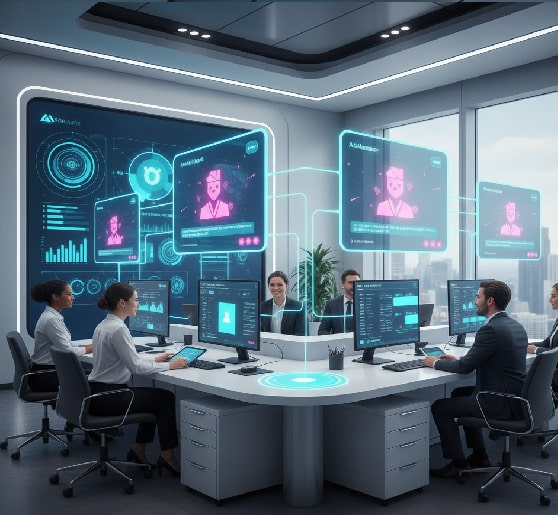
The future of customer service lies in hybrid models, where AI efficiently manages routine inquiries while humans step in to provide advanced support. This creates synergy that ensure speed and consistency without sacrificing the empathy and creativity that only people can deliver.
Companies that successfully master this balance will not only reduce operational costs but also elevate customer satisfaction. Much like diverse entertainment venues in Jeju that evolve to satisfy a wide range of audiences, businesses that integrate both AI-driven efficiency and human understanding will set new benchmarks for modern customer experience.
 More than 10 million pets are lost every year in the United States alone, according to the American Humane Association. That staggering number has driven a wave of innovation in pet technology, giving rise to tools that help owners track, monitor, and care for their furry friends in real time. From GPS collars to smart feeders, the modern pet care industry is embracing the same digital transformation that reshaped fitness and health for humans.
Among these innovations, smart collars and GPS trackers stand out as essential tools for responsible pet ownership. They not only help locate lost pets but also track movement, heart rate, and even calories burned. When combined with modern mobility products such as push chairs for dogs, these devices form part of a growing “smart care” ecosystem designed to improve comfort, safety, and quality of life for pets and their owners alike.
For a broader look at how innovation is shaping modern pet ownership, check out the best tech you can get for your pets, which explores some of the most useful and creative tools available today.
Pet wearables have come a long way since the first simple tracking collars hit the market. Today’s devices are sleek, lightweight, and loaded with sensors that capture everything from GPS location to sleep cycles. Pet owners can check their dog’s activity level or see whether they’ve strayed beyond a set boundary, all from a smartphone app. This instant connectivity builds peace of mind while promoting more active, informed care.
Many brands now integrate health data into veterinary software, allowing vets to review real-time metrics before a consultation. The same technology used in human fitness trackers, like accelerometers and GPS chips, has found its way into collars that can detect early signs of illness or stress. The result is proactive care, issues are caught sooner, treatments are more effective, and pets live healthier lives.
For pet parents, GPS trackers have redefined what it means to keep an animal safe. No more frantic searches or late-night posters on street corners. With geofencing features, owners can set virtual boundaries around their yard or neighborhood. The moment a pet wanders beyond that space, they receive an instant alert on their phone. It’s technology meeting empathy, designed to prevent heartbreak before it happens.
Beyond safety, GPS data provides insight into a dog’s daily behavior. Owners can see how far their dog walks each day or how much time it spends resting versus playing. For senior dogs or those recovering from surgery, these stats help track recovery progress and prevent overexertion.
Smart feeding systems are another piece of the puzzle. Automated feeders now sync with mobile apps, allowing precise control over meal times and portion sizes. Some even track how much food a pet consumes and send reminders when it’s time to refill the bowl. This data-driven feeding approach helps manage weight and ensures consistency, especially useful for multi-pet households or busy owners.
When used alongside wearable tech, the benefits multiply. A fitness tracker can monitor how much exercise a dog gets, while the feeding system adjusts calorie intake accordingly. It’s a holistic, connected way to balance nutrition and activity, just like fitness apps do for people.
Wearable tech doesn’t exist in isolation, it fits into a growing ecosystem of connected pet care products. From smart dog beds that track sleep quality to push chairs for dogs designed for comfort during long walks, the trend reflects a shift toward treating pets as integral family members. These devices enhance bonding moments while keeping animals healthy, happy, and visible at all times.
For instance, a dog with joint problems may ride comfortably in a stroller while wearing a GPS-enabled collar. The owner stays aware of heart rate, temperature, and stress levels without interrupting their day. That’s the beauty of smart pet tech, it adapts to individual needs while making care more human, not less.
As AI and IoT technologies advance, the next generation of pet wearables will go beyond tracking. Future smart collars may analyze vocal patterns to detect emotions or predict anxiety episodes before they happen. Cameras could recognize changes in posture that signal pain or illness. These aren’t distant dreams; prototypes are already under development.
With more pet owners embracing digital solutions, brands are designing ecosystems where collars, feeders, and strollers sync together seamlessly. This integration transforms routine care into something intelligent, efficient, and deeply personal.
The tech revolution in pet safety is just beginning. Smart collars, GPS trackers, and accessories like push chairs for dogs show how far we’ve come in merging technology with compassion. These tools give pets freedom while ensuring owners have peace of mind. Together, they form a new era of pet care, one that values data, design, and above all, love.
Technology can never replace the bond between pet and owner. But when used thoughtfully, it can make that bond stronger, safer, and more joyful than ever before.
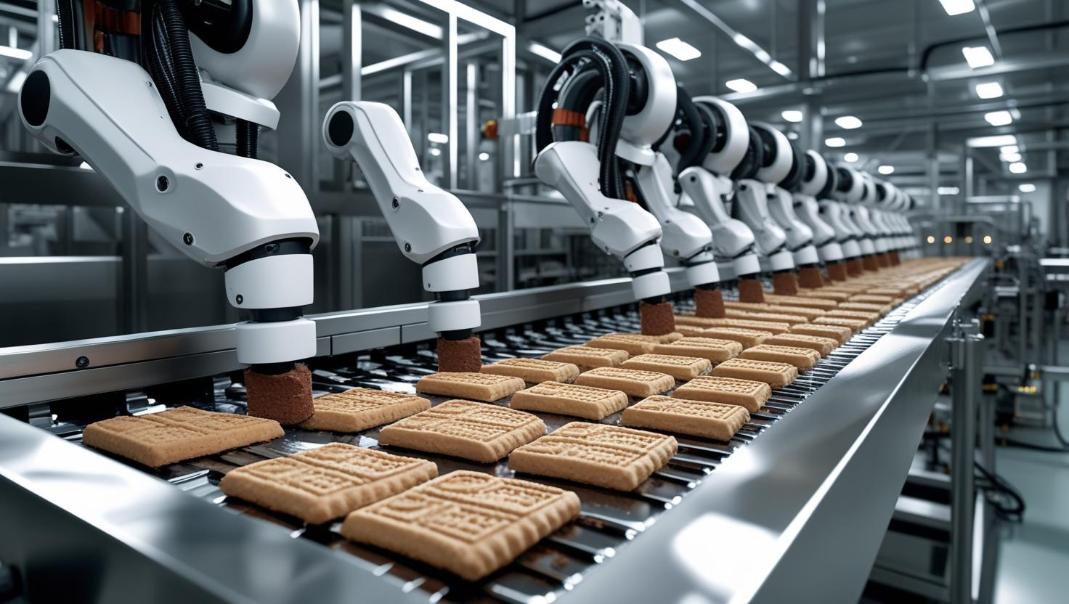
The Tim Tam story teaches us just as much about technology as it does about the world’s favorite chocolate biscuit.
Because of new manufacturing tools, the journey of Arnott’s Tim Tams shows how machines help us keep the same great flavor in every pack, no matter how far it travels.
To produce the biscuit, a once-simple production line donned a new, high-tech suit and reinvented itself, all while maintaining its Australian essence.
When the Tim Tam first emerged in the 1960s, the team relied on hands to guide them every step of the way.
People mixed blends of flour, sugar, and chocolate, baked trays in carefully watched ovens, and poured silky biscuit layers into cool chocolate.
The secret was passion, but the world was growing hungry. Larger volumes of order books demanded machines that were also attentive to quality.
Soon, a choreographed dance linked scanners, mixers, and ovens, speeding up the process without sacrificing a single loving detail.
Today, programmers and snack lovers watch a Tim Tam line glide like a high-tech concert.
Robotic sausages of polished metal align in fabulously uneven rows, the sweet coating glistens as it pours, and a moment later a soft curtain of plastic and card swathes the perfect packs.
The machines keep every drop of chocolate in line, every crunch in sync. Heat-proof robots now roam the sweltering aisles, swapping stout containers and guarding every worker.
Thanks to their cool touches, the biscuits of Tullamarine, Sydney, and the world all taste and crunch exactly the same.
Arnott’s automation is about more than shiny robots. Smart sensors and clever data are the unseen guardians of biscuit perfection. Every machine checks heat, moisture, and coating thickness in the blink of an eye.
The moment something’s off, the machine tweaks itself without missing a beat. That split-second fix saves ingredients and keeps the biscuits tasting just right.
ALSO READ: Unlocking Next-Level Entertainment: How AI and Machine Learning Elevate IPTV Streaming Quality
Arnott’s gadgets aren’t only about speed; they’re green heroes, too. Ovens that sip energy, power systems that know exactly when to turn off, and robots that sort wrappers for recycling mean the factory footprints are tiny.
The result is a lighter load on the planet, so every Tim Tam is still a guilty pleasure future snackers can happily unwrap.
Life’s the same overseas as it is on the corner shop shelf. Tim Tams are zooming across oceans, and Arnott’s clever machines make that possible.
Batches are baked day and night to keep flavors spot on, while a digital map guides every biscuit on its journey till it reaches a friend halfway across the globe.
Old-school biscuit magic and clever circuits work as one to make sure that the same twirl of a Tim Tam in Sydney is the same satisfying snack in Tokyo or London.
Watching Tim Tam production change shows exactly how technology turned a childhood favorite into a worldwide treat.
By using robots, tiny sensors, and clever computer systems, Arnott’s keeps the chocolatey magic of the biscuit the same and yet makes the factory Jins run.
The result is a seamless blend of traditional recipes and cutting-edge technology, ensuring that each biscuit retains the same rich and delightful taste as the first one you ever experienced.
 Travel habits are changing fast, especially with new tech making packing smarter and easier. Airlines now offer different weight limits, and choosing the right luggage can make your journey stress-free. Budget carriers like Ryanair often allow cabin bags up to 10 kg with dimensions around 55 x 40 x 20 cm when you have priority boarding. Meanwhile, checked baggage usually offers 20 kg or more, giving you more flexibility but at an extra cost. Understanding your options and using the right tools can help you travel lighter and smarter.
Finding the balance between a light carry-on and a spacious checked bag depends on your travel style. Frequent flyers often compare 10kg vs 20kg suitcase weight lift limits to decide which fits their needs. Short weekend trips may work perfectly with just a 10 kg cabin bag. However, for longer journeys or tech-heavy travels, a checked suitcase can give you more room for essentials, gadgets, and clothing without worrying about strict size restrictions.
Tech-savvy travelers now have more innovative luggage options than ever. Smart suitcases come with built-in features like GPS tracking, digital locks, and even weight sensors that alert you before exceeding airline limits. Some brands also include USB charging ports, keeping your devices powered while waiting at the airport. These smart features are game changers for travelers carrying multiple gadgets.
For a deeper dive into how technology is shaping travel and improving navigation, check out how geo-targeted directories use tech to enhance local search experiences.
Overpacking has always been a struggle, but technology now offers a solution. Weight-sensing luggage lets you know instantly if you’re close to exceeding your allowance. Instead of stressing at the check-in counter, you can adjust before leaving home.
Lost bags are one of the biggest headaches for travelers. With Bluetooth and GPS-enabled tags, you can track your checked suitcase in real time. Apps like Apple AirTag or Tile give peace of mind, especially during multi-stop flights.
Packing gadgets can get tricky when you’re juggling weight restrictions. Airlines require that power banks, spare batteries, and certain electronics remain in your cabin bag for safety reasons. This means distributing your essentials wisely:
Tip: Always keep your most expensive electronics close to you. Cabin bags are safer for delicate gadgets, especially during transit.
Travel apps can take the stress out of organizing your luggage. From weight tracking to personalized packing lists, these tools simplify your preparation:
Battery-powered devices have specific airline regulations. Power banks and lithium batteries are generally restricted to carry-on luggage only. Most airlines allow power banks up to 100Wh without prior approval. Anything larger often requires airline permission. To avoid surprises at security checks, always check your airline’s policy before packing.
Your final choice depends on balancing convenience, cost, and the tech you carry. Cabin bags are quicker, cheaper, and perfect for short trips with minimal electronics. Checked bags are better for long journeys, multiple gadgets, or when packing bulkier items. Mixing both options often works best: keep essentials and valuables in your carry-on while using checked luggage for extra storage.
Traveling light while staying connected is easier than ever with the right luggage and tools. Whether you pick a 10 kg cabin bag or a 20 kg checked suitcase, technology can make the experience smoother, smarter, and less stressful. By choosing wisely and packing strategically, your journey becomes less about managing weight limits and more about enjoying the adventure.
 More than 90% of smartphone users look for local information online, and many of them visit a store or service provider within a day. That shows how powerful local search has become. Behind the scenes, technology is working hard to deliver those results fast and with pinpoint accuracy. Geo-targeted directories are leading this movement by using smart tools and systems to connect people with businesses and services near them, often in real time.
One strong example is Korean-based platforms that focus on localized service listings, including op sites. These platforms use advanced directory tech to improve how users find information based on location, preferences, and urgency. This isn’t just about convenience, it’s about giving users exactly what they need, when and where they need it.
Geo-targeting allows websites and apps to detect a user’s location and tailor the content based on that information. It uses GPS, IP addresses, Wi-Fi signals, or cell towers to determine where a user is browsing from. That means whether you’re in Seoul, Busan, or Jeju, a properly built geo-directory will show you local listings that matter to you.
For directories like OPCMD, this ensures users see nearby service providers without having to scroll endlessly or input their location manually. That’s a massive improvement in user experience.
Several tools and systems come together to make these directories as efficient as they are. Here’s a breakdown of the main technologies behind them:
APIs from services like Google Maps, HERE, and IPinfo let directories auto-detect user locations. Once the location is detected, search results can be filtered based on distance, availability, or neighborhood popularity. These APIs also help mark business pins on maps, calculate routes, and display opening hours based on the user’s time zone.
Most users now access local directories from their phones. A responsive interface adjusts layouts and buttons for smaller screens, making the search smoother and faster. Adaptive designs also change the content structure slightly based on whether you’re using a phone, tablet, or PC, optimizing the experience even further.
Outdated listings can ruin the reliability of any directory. Real-time syncing tools make sure users always see accurate availability, updated contact details, recent reviews, and even service closures. Cloud-based backends and CMS integrations help push updates instantly across thousands of listings.
Localized search engine optimization (SEO) is key for these platforms. This includes using keywords tied to cities or districts (like “Gangnam massage” or “Busan OP listings”), creating region-based content, and registering business profiles on regional search engines and maps.
Some directories now use AI to predict what users might be searching for based on previous behavior. Combined with location filters, this lets the platform prioritize listings based on relevance, review scores, popularity, and proximity. Users spend less time searching and more time engaging.
Local intent is high when people are searching for nearby services. Whether someone’s looking for a last-minute haircut, a quick meal, or an adult wellness service, the goal is to find a nearby place fast. Hyper-local directories help remove clutter and present only what’s immediately useful.
This is especially important in large cities like Seoul or Busan where one neighborhood can offer hundreds of similar services. Without geo-targeted filtering, users would be overwhelmed by irrelevant options that don’t fit their location or timing.
Directories like OPCMD aren’t just translating global tech, they’re refining it for local behavior. South Korean users are known for being highly mobile-driven and time-sensitive. Platforms respond to this by offering:
That tight integration of design and tech makes the user journey smoother, especially for niche markets like op services or beauty salons.
Users today expect instant results. They want speed, accuracy, and relevance—all wrapped in a mobile-friendly design. Geo-targeted directories meet those expectations through their backend systems, but also through user-centered design. With clear maps, dynamic filters, and updated reviews, users are empowered to make faster, smarter decisions. A lot of this is tied to technology’s role in digital transformation, where tools like AI, automation, and location services create a seamless bridge between businesses and consumers.
Privacy is a growing concern. Directories are also evolving to protect user data while still offering personalized experiences. Instead of tracking exact movements, they might round off coordinates or anonymize IPs. This keeps the system helpful without being invasive.
The future of geo-targeted platforms is likely to focus on:
All of these will rely on further developments in AI, edge computing, and mobile app technology. Platforms like OPCMD are already setting the foundation for these advances by investing in real-time updates and smart UX design.
Geo-targeted directories are more than just convenient—they’re essential tools for modern users. With smart use of APIs, responsive design, real-time updates, and strong SEO, platforms like OPCMD show how tech can match local needs with lightning speed and accuracy.
As search habits keep evolving, the directories that adapt with tech-forward, privacy-aware, and user-centered design will lead the race. For users, that means faster, more relevant searches. For businesses, it means more local visibility. And for technology? It’s a win for everyone.
 Programmers now need laptops that go beyond just decent performance. Modern development environments demand faster processors, more memory, long battery life, and reliable operating systems that can keep up with the job, whether you’re debugging code, training machine learning models, or building full-stack web apps.
If you’re planning to upgrade your developer setup, this guide covers the best laptops for programming that balance speed, portability, and affordability in 2025. From budget-friendly picks to premium choices that can handle any workload, we’ve highlighted four machines programmers can’t stop talking about.
The new 2025 MacBook Pro with the Apple M4 chip is an engineering marvel. It’s built for heavy-duty tasks and is especially loved by iOS developers, mobile app builders, and data scientists. The M4 chip offers even better CPU and GPU performance than its M3 predecessor, delivering near-instant compilation times and smooth multitasking across IDEs and emulators.
The 14-inch model comes with 16GB or 32GB unified memory options, and battery life lasts an impressive 19 hours on regular tasks. macOS Sonoma makes it easy to work across Terminal, Xcode, Docker, and Git. If your workflow is Apple-centric or you develop iOS/macOS apps, this laptop is hands-down one of the most reliable coding machines this year.
Processor: Apple M4 chip
Memory: 16GB/32GB Unified RAM
Battery Life: Up to 19 hours
OS: macOS Sonoma
Don’t want to break the bank? The Lenovo IdeaPad Slim 3 is the go-to choice for beginner programmers, students, and hobby coders. It runs on the latest AMD Ryzen 5 7530U processor, offering more than enough power for web development, lightweight app building, and working in Visual Studio Code or Sublime Text.
It ships with 8GB RAM and a 512GB SSD, making it fast enough for everyday development work. It also weighs under 1.6kg, which is great for carrying to school or co-working spaces. Battery life holds strong at about 10 hours, and Windows 11 Home offers compatibility with most dev tools.
Processor: AMD Ryzen 5 7530U
Memory: 8GB RAM
Battery Life: Up to 10 hours
OS: Windows 11 Home
The Dell XPS series has always been developer-friendly, and the 2025 XPS 15 continues that tradition. It now features Intel’s 14th Gen Core i7 or i9 processors, perfect for running multiple virtual machines, Docker containers, or heavy IDEs like IntelliJ IDEA or Android Studio.
The laptop sports a 15.6″ 3.5K OLED display, ideal for UI/UX work and long coding hours. RAM options go up to 64GB, which is excellent for memory-intensive processes like data manipulation or compiling large codebases. With Windows 11 Pro, it integrates smoothly with enterprise tools and frameworks.
Processor: Intel Core i7/i9 (14th Gen)
Memory: Up to 64GB DDR5
Battery Life: Up to 13 hours
OS: Windows 11 Pro
Programmers who double as gamers or use GPU acceleration for AI, 3D modeling, or video rendering will appreciate the ASUS ROG Zephyrus G14. This laptop is a hybrid powerhouse, featuring AMD’s Ryzen 9 8945HS processor and NVIDIA GeForce RTX 4070 graphics. Perfect for machine learning tasks, game dev, and multimedia work.
It’s surprisingly light for a gaming laptop at just 1.72kg and includes a stunning 165Hz QHD display. Linux support is also decent for those running dual-boot or VM environments. Battery life reaches around 8 hours with balanced usage, and its custom cooling keeps things quiet even during heavy processing loads.
Processor: AMD Ryzen 9 8945HS
Graphics: NVIDIA GeForce RTX 4070
Memory: 32GB DDR5
Battery Life: Around 8 hours
OS: Windows 11 / Linux-compatible
Each of these laptops suits different needs. The MacBook Pro is best for developers deep in the Apple ecosystem or working on machine learning and data science. The Lenovo IdeaPad Slim 3 is ideal for students or new coders on a tight budget. Dell’s XPS 15 delivers premium Windows performance and multitasking power for backend or full-stack work. ASUS ROG Zephyrus G14 is the top pick for devs who need GPU acceleration or work on resource-heavy tasks like game development or AI.
Your choice ultimately depends on what you code, how often, and where. Factor in OS preference, portability, performance, and your budget. You can also explore tech tools that boost productivity, which shine a light on how software and hardware choices impact learning and workflow efficiency. With the right gear, writing code becomes faster, smoother, and a lot more enjoyable in 2025.
There’s no one-size-fits-all when it comes to laptops for programming, but the four models above stand out in their own way. Whether you’re developing apps, websites, or models, picking the right laptop can significantly boost your productivity and reduce technical frustrations. Explore your options, compare features, and make a smart choice based on your workflow and goals.
The modern recreational vehicle represents an extraordinary convergence of engineering innovations that enhance mobility, comfort, and self-sufficiency for travelers. These purpose-built machines incorporate advanced technologies that allow occupants to venture far from conventional infrastructure while maintaining essential comforts.
From sophisticated power management systems to connectivity solutions, today’s RVs employ functional technologies that significantly expand travel possibilities compared to previous generations.
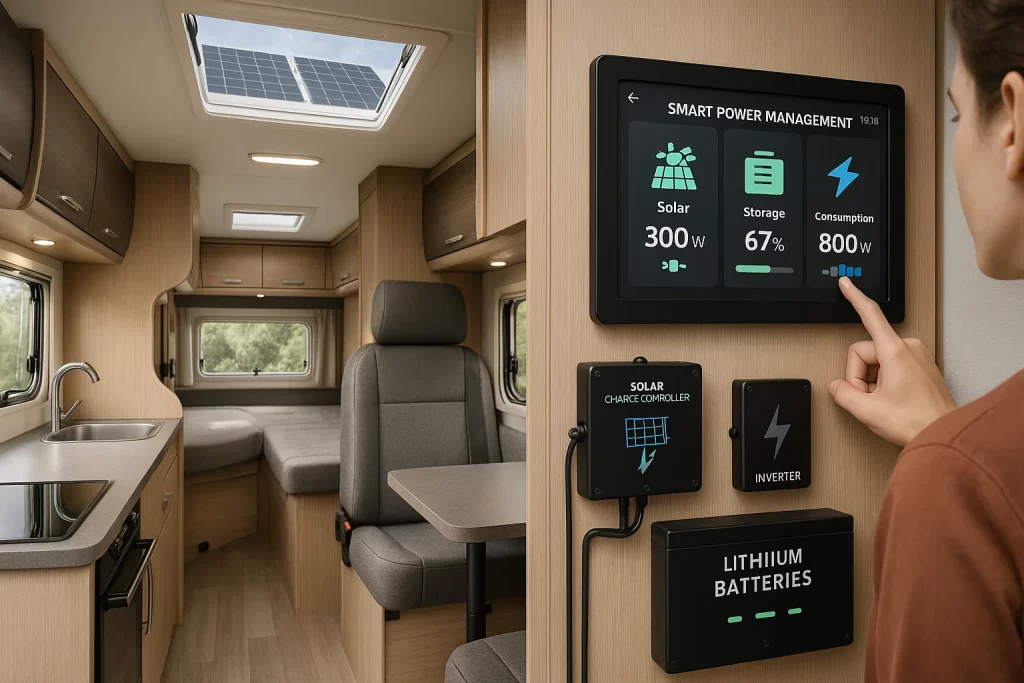
As RV travel becomes more adventurous and remote, safety and navigation technologies have evolved to meet new demands. Advanced driver-assistance systems (ADAS), including blind-spot monitoring, lane departure warnings, and adaptive cruise control, are increasingly common in recreational vehicles. Coupled with GPS units optimized for RV dimensions and weight restrictions, these tools help travelers avoid hazardous routes and ensure safe maneuvering on unfamiliar roads.
Some systems also integrate terrain-aware navigation, weather updates, and campground databases, offering a seamless experience that enhances both confidence and convenience on every journey.
Contemporary vehicles employ multi-stage filtration systems that transform questionable sources into safe drinking water. Leading models incorporate sediment filters, activated carbon elements, and ultraviolet sterilization that eliminate pathogens without chemical treatments.
These systems dramatically extend boondocking capabilities by reducing dependence on municipal water connections while providing peace of mind regarding water quality regardless of source.
Temperature management represents a significant engineering challenge in mobile environments with limited power. Latest solutions include variable-speed compressors that adjust cooling output based on conditions, dual-zone systems that operate efficiently in occupied areas only, and smart thermostats that optimize energy usage patterns.
These technologies maintain comfort across diverse climates while minimizing generator runtime and battery depletion.
Modern travelers expect consistent internet access regardless of location, driving significant innovation in mobile connectivity. Current RVs incorporate cellular boosters, multi-carrier routers, and directional Wi-Fi antennas that maintain connections in challenging environments.
These systems automatically select optimal signal sources and manage bandwidth allocation across multiple devices, supporting remote work requirements and entertainment needs simultaneously.
The integration of comprehensive monitoring represents perhaps the most transformative technological advancement. Digital systems now provide real-time status information for all critical subsystems, from propane levels to battery condition, through intuitive touchscreen interfaces and smartphone applications. This visibility enables preventive maintenance, optimizes resource usage, and alerts owners to developing issues before they become emergencies, fundamentally enhancing the ownership experience.
Airbag systems save lives. Modern vehicles, like the Peugeot Boxer, rely on sophisticated electronics to deploy airbags during a collision. At the heart of this system lies the Electronic Control Unit (ECU). When it malfunctions, safety is at risk. Fortunately, advancements in ECU diagnostics and repairs are transforming automotive technology. These innovations restore critical safety features and extend vehicle lifespans. Let’s explore why ECU repairs, especially for airbags, are a game-changer.
Vehicles like the Peugeot Boxer are built for reliability. They serve as workhorses for businesses and adventurers alike. However, airbag ECUs can fail due to crashes, electrical faults, or software glitches. Repairing these units, such as through specialized Peugeot Boxer airbag ECU repair, is a precise process. Technicians use advanced diagnostic tools to read error codes and pinpoint issues. Instead of replacing the entire unit, which is costly, repairs target specific faults. This approach saves money and keeps vehicles roadworthy.

The airbag ECU is the brain of the safety system. It processes data from sensors in milliseconds. Speed, impact force, and seatbelt usage all feed into its decisions. If the ECU detects a collision, it triggers airbag deployment. A faulty ECU might fail to deploy airbags or cause them to deploy unexpectedly. Both scenarios are dangerous. Repairing these units ensures the system works as intended. It’s not just about fixing hardware—it’s about restoring peace of mind.
Diagnostics have come a long way. Older methods relied on guesswork or full replacements. Today, technicians use specialized software to communicate with the ECU. They can reset error codes, reprogram software, or repair damaged circuits. For the Peugeot Boxer, this means addressing common issues like the B0100 error code, which signals an airbag deployment fault. These targeted repairs are faster and more affordable than ever before.
Technology is the backbone of modern ECU repairs. Diagnostic tools now offer real-time data analysis. They connect to the vehicle’s onboard systems, providing a clear picture of what’s wrong. For instance, a technician can see if the ECU’s memory is corrupted or if a sensor is misfiring. This precision reduces repair times and improves outcomes. Additionally, repair shops are adopting eco-friendly practices. Refurbishing ECUs instead of replacing them cuts down on electronic waste.
Another leap forward is the use of cloud-based diagnostics. Some repair services upload ECU data to secure servers for analysis. This allows experts to collaborate remotely, ensuring even complex issues are resolved. For Peugeot Boxer owners, this means access to top-tier expertise without leaving their local garage. These advancements make repairs more accessible and reliable.
Restoring an airbag ECU is about more than fixing a part. It’s about protecting lives. A properly functioning ECU ensures airbags deploy when needed. This is critical for drivers and passengers alike. Moreover, repairs are often a fraction of the cost of new units. A replacement ECU can cost hundreds, if not thousands, of pounds. Repairs, on the other hand, are typically under £200. For businesses relying on vans like the Peugeot Boxer, this savings adds up quickly.
But what happens if you ignore a faulty ECU? Warning lights may stay on, and the airbag system could fail during an accident. In some cases, insurance companies may refuse coverage if safety systems aren’t operational. Regular diagnostics can catch problems early, preventing costly repairs down the line. It’s a small investment for a big return in safety.
READ ALSO: Purchasing Cars Have Never Been Easier With Internet Technology
Looking ahead, ECU repairs will only get smarter. Artificial intelligence is starting to play a role in diagnostics. AI can predict failures before they happen, based on patterns in vehicle data. This could lead to proactive repairs, keeping vehicles safer for longer. Additionally, as vehicles become more connected, remote diagnostics will become standard. Imagine a technician diagnosing your Peugeot Boxer’s ECU from miles away!
ECU repairs are a hidden gem in automotive tech. They combine cutting-edge tools with practical solutions. For Peugeot Boxer owners, these repairs restore safety without breaking the bank. Next time your airbag warning light flashes, don’t panic. A skilled technician with the right tools can bring your vehicle back to life. Isn’t that worth celebrating?
Karaoke, a beloved pastime in Gangnam and beyond, is undergoing a dramatic transformation. Virtual reality (VR) and artificial intelligence (AI) reshape the experience, offering a futuristic twist to a classic activity. These advancements create immersive, engaging, and tailored singing experiences like never before.
Karaoke enthusiasts are now flocking to next-generation venues like You&Me Karaoke to glimpse this exciting evolution. These establishments embrace cutting-edge technology to deliver unique experiences that redefine how we interact with music and entertainment. (source: 유앤미 가라오케)
AI is central to the modernization of karaoke rooms. Advanced algorithms analyze vocal performance, providing instant pitch, tone, and rhythm feedback. This feature isn’t just for the pros; even amateur singers can learn and improve with AI’s guidance.
AI also personalizes song recommendations based on past performances or mood preferences. The system curates playlists that resonate with each user by evaluating data points such as vocal range or singing history. This innovation ensures that every song choice feels tailor-made for the singer.
AI-powered systems are also enabling duet recommendations. By matching vocal compatibility between singers, they create an opportunity for magical, harmonious performances.
Imagine stepping into a karaoke room that visually transforms into a concert arena, a beachside stage, or even a galaxy of stars. Virtual reality brings this vision to life. With VR headsets and motion-tracking technology, singers are transported to extraordinary environments, elevating their performances into multi-sensory experiences.
The visuals aren’t the only upgrade. VR can simulate a live audience, complete with cheering and applause, enhancing the thrill of performing. This virtual solution offers a confidence-building alternative for those who dream of singing to a crowd but feel stage-shy.
Interactive VR features are also gaining traction. Singers can collaborate with virtual bandmates or backup dancers, adding a theatrical flair to their performances. Such enhancements turn a simple karaoke session into an unforgettable spectacle.
The combination of AI and VR creates unparalleled synergy. For example, AI-driven vocal feedback can be displayed in real-time within the VR environment, allowing singers to adjust their performance mid-song. Additionally, the blend of these technologies ensures smoother transitions between songs, themes, and personalized settings.
Voice-controlled commands are another innovation bridging AI and VR. Users can adjust lighting, stage effects, and virtual backgrounds with simple voice prompts, making the experience effortless and intuitive.
Gangnam is at the forefront of this revolution, setting trends for karaoke enthusiasts worldwide. Its karaoke rooms are known for their state-of-the-art facilities, blending tradition with technology. Venues like You&Me Karaoke exemplify this trend, showing how entertainment is evolving in the digital age.
These establishments don’t just offer cutting-edge tech; they also prioritize user comfort and engagement. Luxurious interiors, top-notch sound systems, and customizable themes ensure that every visit feels special. The seamless integration of AI and VR adds a modern twist to the vibrant culture that Gangnam karaoke is known for.
Technology isn’t just enhancing solo performances; it’s also redefining social interactions. AI-powered group scoring systems add a competitive edge, while VR environments encourage collaborative singing and creative storytelling. Friends can bond over shared experiences, whether singing a duet or creating a virtual band.
Thanks to these innovations, karaoke rooms are becoming spaces for entertainment and connection. They provide an inclusive environment where anyone can shine, regardless of singing ability.
READ ALSO: Business Website – A Digital Front Door Into Your Business
As AI and VR technologies continue to advance, the possibilities for karaoke are endless. Upcoming developments might include holographic displays, real-time language translation for international songs, or even AI-generated original compositions for singers.
Combining these technologies promises to keep karaoke fresh, exciting, and accessible. The future of singing is not just about hitting the right notes—it’s about creating memorable experiences that resonate deeply with participants.
With their embrace of AI and VR, Gangnam karaoke rooms are revolutionizing how we experience music and entertainment. These innovations make karaoke more engaging, immersive, and personalized, ensuring everyone can enjoy singing, from casual participants to die-hard fans. Venues like You&Me Karaoke lead the charge, showing what’s possible when tradition meets technology.
The global karaoke scene will become more vibrant and inclusive as these advancements spread. The future of singing is here—and it’s more exciting than ever.
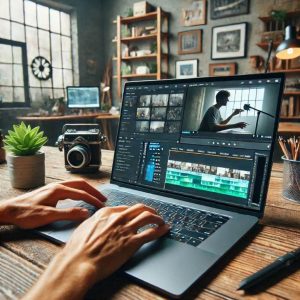 Video content dominates the internet. Whether it’s a short TikTok clip or a detailed YouTube tutorial, creators rely on robust tools to bring their visions to life. Filmora, a leading video editing platform, has positioned itself as a resource hub for creators seeking cutting-edge features. Filmora equips users with tools that make video editing creative and efficient, from AI-powered effects to seamless cloud integration.
A notable mention for creators is the availability of assets like the Shopee icon PNG, which allows seamless branding and design integration. These resources complement Filmora’s editing tools, helping creators craft polished and professional visuals for any project.
Filmora caters to both beginners and professionals. Its intuitive interface lets new users explore video editing without feeling overwhelmed, while advanced tools keep seasoned creators satisfied. What sets Filmora apart is its commitment to integrating technology-driven features, enabling creators to deliver high-quality content effortlessly.
AI technology simplifies complex editing processes. Filmora’s AI-driven effects include automatic scene detection, background removal, and color grading. These features save time and enhance creative possibilities. For instance, creators can quickly apply cinematic looks or isolate subjects in just a few clicks.
Cloud-based storage offers unparalleled convenience. Filmora users can save projects online, allowing them to access and edit files anytime, anywhere. This feature is particularly useful for collaboration, as multiple users can work on the same project without being physically present.
Filmora supports a variety of plugins, such as LUTs for color grading and motion graphics for dynamic visuals. This compatibility allows creators to expand their toolsets, ensuring they can achieve professional-grade results without switching platforms.
Creators who embrace technology find Filmora a perfect match. The platform supports 4K video rendering, motion tracking, and advanced audio editing, which are essential for producing high-quality content. For tech-savvy users, these features open up endless possibilities for creativity while maintaining efficiency.
Filmora’s tools shine in diverse scenarios. YouTubers use it to produce tutorials and vlogs, while marketers rely on it to create engaging promotional videos. Social media influencers often leverage their built-in templates to craft eye-catching reels and stories. The platform’s versatility ensures it meets the needs of various content creators.
Compared to competitors, Filmora strikes a balance between simplicity and sophistication. While some platforms cater exclusively to professionals, Filmora bridges the gap, offering tools that are easy to use yet powerful enough for demanding projects. It’s also cost-effective, making it accessible to a wider audience.
READ ALSO: The Positive Impact of Playing Video Games to Your Brain
Filmora has redefined video editing by offering creators an all-in-one resource hub. Its innovative tools, combined with user-friendly features, make it a top choice for anyone looking to enhance their content. Whether you’re a beginner exploring video editing or a professional seeking advanced tools, Filmora provides everything you need to bring your ideas to life.
Technology has revived an old method: the cold plunge tub. This refreshing bath offers benefits for wellness and sports rehabilitation.
Here’s how the cold plunge tub rises to the top:
Athletes, fitness buffs, and health enthusiasts have been flocking to cold plunge pools lately. Their several advantages appeal to them, from reducing muscle inflammation and accelerating recovery to boosting mood and immunity.
Cold plunge tub design and capability have evolved with technology. New materials and temperature control technologies simplify and increase the efficiency of cold plunges.
No more guessing about ice cubes. Modern cold plunge tubs, with their advanced temperature control systems, let users set and preserve their preferred water temperature, guaranteeing a therapeutic experience tailored to them.
Modern cold plunge tubes are kept cold by automated refrigeration systems. This simplifies and speeds cold plunges by removing human corrections and monitoring.
Innovative technology boosts cold plunge tubs. Many models include app connectivity for remote tub control and monitoring. Smartphone users may track usage, change temperatures, and create timers.
Customized programming in smart cold plunge baths fits customer requirements. These tubs can maximize cold plunge routines depending on frequency and length of use. This customization maximizes results and user experience.
 For cold plunge baths, technology points to a promising future. Artificial intelligence and machine learning could help these tubs be better for more individualized and effective cold plunges.
Cold plunge bathtubs might feature virtual reality, voice control, and advanced biometric monitoring. These developments may enable users to undergo suitable cold plunge sessions and provide real-time physiological feedback.
Cold plunge tubs and technology have updated a traditional wellness method. Thanks to exact temperature control, digital connectivity, and customized programming, cold plunges are more accessible and effective than ever. As technology develops, cold plunge tubs will become increasingly immersive and practical.
Many businesses including DMC travel are using it for different applications. Whether we’re communicating with loved ones, working remotely, or shopping online, it’s clear that technology makes life easier and more convenient. However, balancing tech usage and using it mindfully is crucial to ensuring it enhances rather than disrupts our lives.
One of the most effective ways to use technology wisely is by setting boundaries for screen time. Establish limits for personal and work-related device use by scheduling screen breaks and considering apps that help monitor time spent on various tasks.
Setting these boundaries allows you to make the most of your tech time without experiencing burnout or digital fatigue.
Technology offers a wealth of knowledge right at our fingertips. Online courses, webinars, and tutorials make it easier than ever to learn new skills, whether for personal development or career advancement. Platforms like Coursera, Khan Academy, and LinkedIn Learning offer courses in various fields, allowing users to expand their knowledge and grow at their own pace.

In the digital world, privacy and security should never be overlooked. From data breaches, identity theft, and cyber threats, all of these present a real concern that can disrupt lives. Ensure your devices are protected by using strong, unique passwords, enabling two-factor authentication, and keeping software up-to-date.
Additionally, be cautious about the details shared over the web and see to it to update privacy settings on all online accounts.
Indeed, technology serve as an effective communication tool to stay in touch with family and friends, especially when separated by distance. Video calls, messaging apps, and social media platforms make it easier to keep in touch with loved ones, bridging the gap across miles.
However, while technology enhances communication, it’s important to balance it with in-person interactions whenever possible. Use tech to connect, but don’t let it replace face-to-face relationships, which foster deeper, more meaningful bonds.
Practicing digital mindfulness, or being intentional with your tech use, can help reduce distractions and improve focus. Start by turning off unnecessary notifications, organizing your digital workspace, and creating tech-free zones at home, such as the dining area or bedroom. These small adjustments promote a healthier relationship with technology, allowing you to enjoy its benefits without becoming overwhelmed.
 Every beauty enthusiast knows that a well-organized makeup case is essential. But as technology advances, makeup cases are not just about storage anymore. They are becoming smart, tech-enhanced accessories that cater to modern needs. With innovative designs and new features, makeup cases have evolved far beyond traditional compartments.
A makeup case is no longer just a box with drawers; it’s becoming a sophisticated tool incorporating technology. Some models now have built-in LED lights, phone charging ports, and smart mirrors. For example, lighted vanity cases ensure perfect lighting when applying makeup, eliminating the need for separate mirrors or natural light sources. These features are particularly handy for those who love makeup but often travel or need to touch up makeup on the go. You can explore various options for vanity cases at Modrini’s Makeup Case Collection (Malette de maquillage).
Makeup cases have gone beyond basic organization and have integrated technological features to make your beauty routine easier. Here are some of the innovative elements you might find:
These advancements in makeup case technology are designed to make your life easier, offering both convenience and enhanced functionality.
For makeup lovers on the go, portability is a major factor. Technology has helped in making makeup cases more travel-friendly while still offering professional-quality features. Compact vanity cases now include foldable stands, portable lighting systems, and even space for charging electronic devices. With the click of a button, these cases transform into a full makeup station, enabling you to do your makeup anywhere with ease.
Imagine heading to a special event or a wedding and not worrying about dim hotel room lighting or the lack of a mirror. Your makeup case will provide all you need, helping you stay organized and look flawless no matter where you are.
Tech-enhanced makeup cases are more than just a luxury—they serve practical purposes that improve your beauty routine. Here’s why you should consider upgrading your traditional case to a tech-enhanced version:
These cases provide more than just storage—they enhance your beauty experience.
As technology advances, so does the push for sustainability. Several brands are now incorporating eco-friendly materials into their makeup cases, ensuring that they are both durable and sustainable. Some high-tech makeup cases are even powered by solar energy, reducing the reliance on traditional batteries. This ensures that you’re making an eco-conscious choice without sacrificing functionality or style.
Moreover, smart makeup cases help reduce waste by ensuring that your beauty products are organized and properly stored, thus increasing their longevity. Temperature-controlled compartments prevent products from spoiling, helping you get the most out of your cosmetics.
When selecting a tech-enhanced makeup case, consider what features are most important for your routine. Do you need extra lighting for makeup application? Are you constantly on the go and require a case to charge your phone? Here’s what to look for:
By considering these features, you can select the makeup case that best suits your lifestyle.
READ ALSO: Nvidia In Hot Water with French Regulator Over Alleged Unfair Competitive Practice
Technology is reshaping the beauty industry, and makeup cases are no exception. From built-in lighting to USB ports, these tech-enhanced cases provide convenience, functionality, and a touch of luxury. Whether you need better lighting, portable storage, or a way to charge your phone, a tech-savvy makeup case can transform your beauty routine. It’s not just about organization anymore—it’s about enhancing your makeup experience with the help of technology.
Upgrade your beauty routine with a tech-enhanced makeup case, and enjoy the perfect blend of beauty and technology wherever you go.
Top-rated RV covers for sun damage are distinguished by the level of protection provided to RVs that are exposed to harmful UV rays for extended periods of time. Many assume that all RV covers are equal regardless of Class A, B or C classification. That is why it’s important for recreational vehicle owners to comprehend the kind of materials and technology used in the construction of the different types of covers.
That way, RV owners looking to buy a cover for their recreational vehicle or camper have a clear idea about the level of proper care and protection provided by each type. According to related studies, RVs have an average lifespan of between 10 to 30 years. The RV average life can also be linked to the average mileage run of around 200k to 300k if given the proper care and maintenance.
 A typical Class A RV is considered the largest and the most feature-rich type of recreational vehicle because it also serves as a regular motorhome. It has a mobile living space with warming and cooling capabilities that allow active use of the vehicle even in extremely warm outdoor conditions.
A Class B RV is a smaller less powerful type of motorhome often used in geographical locations with moderate climate. It offers a laid back but less lavish style of mobile living lifestyle as its use is mainly for recreational purposes.
 This denotes that care and protection of Class B RVs call placing the vehicle in indoor storage; or by using a heavier kind of RV cover for stronger outdoor protection.
Class C RVs on the other hand, share similar features with the Class A RVs, as their size and features are almost the same. It also means that Class C RVs are usually exposed to the harmful UV Rays and outdoor elements as they are in use and out on the road most of the time.
CarCover.com offers two types of RV covers built with protection and preservation features that meet the requirements of Class A, B or C RVs.
One is the five-layer Gold Shield cover and the other is the three-layer Silver Shield cover. The Gold Shield can provide the best care and protection for all Classes of RV as its 5-layer built can withstand the extreme heat of the UV rays during a vehicle’s extended outdoor exposure.
The 3-layer Silver Shield can provide sufficient outdoor protection for Class B RVs in use in geographical locations with modest climates. In the absence of extreme weather conditions, the Silver Shield can give ample protection to motorhomes stored under carports.
The difference in thickness is merely to provide a lower-price option especially for larger RVs used in locations with moderate climate while spending less time exposed to harmful outdoor elements, Nevertheless, CarCover.com makes certain that both Gold and Silver Shield covers offer comparable waterproofing protection including against the occurrence of water pooling at the top surface of the vehicle. Moreover, the firm uses a proprietary UV Sun Inhibitor Treatment to strengthen the protective ability of both Shields, by negating the polypropylene plastic’s sensitivity to the sun.
 Reddit has become one of the most influential platforms for discussing technology. It’s where enthusiasts, experts, and curious minds come together to share ideas, solve problems, and stay updated on the latest trends. One of the key features that drive these discussions is the upvote system and the best place to buy reddit upvotes: boostfunda, signals, or upvote shop? But how do upvotes shape technology discussions, and why do they matter?
Upvotes on Reddit are simple yet powerful. When a user finds a post or comments valuable, they can upvote it. This action pushes the content higher on the page, making it more visible to others. In technology forums, this means that the most useful, insightful, or relevant information rises to the top. For users searching for answers or new information, this system helps them quickly find the best content without sifting through less helpful posts.
The impact of upvotes is particularly evident in technology-related subreddits. Whether it’s a discussion about the latest smartphone, programming languages, or cybersecurity, upvotes help highlight the most important contributions. For instance, if a developer shares a piece of code that solves a common problem, upvotes can bring it to the attention of thousands of others who might benefit from it. Similarly, when a tech expert offers advice on troubleshooting hardware issues, upvotes can ensure their guidance reaches those in need.
Upvotes are not just about popularity. They also foster a sense of community and collaboration. In technology subreddits, users often reward each other for sharing knowledge and helping others. This encourages more people to contribute, knowing their efforts will be recognized and appreciated. Over time, this creates a vibrant community where learning and sharing are central to the experience.
Upvotes can influence the direction of discussions. In technology, where debates can be intense, and opinions vary widely, upvotes help keep the conversation focused. Upvotes steer the discussion towards productive exchanges rather than off-topic tangents by promoting the most constructive and informative comments. This is crucial in technology forums where misinformation can easily spread if not checked by the community.
Upvotes also play a role in shaping trends within the tech community. When a particular topic or innovation receives many upvotes, it signals interest and relevance. This can lead to more in-depth discussions and tutorials and even influence what tech companies pay attention to. For example, if a new software tool gets significant attention on Reddit, it might catch the eye of developers or investors looking for the next big thing.

The culinary world is constantly evolving, and so are the tools we use in the kitchen. Once seen as a simple accessory, Cream chargers have undergone significant advancements in recent years. These innovations improve the quality of your culinary creations and enhance the overall kitchen experience. King Whip, a leading name in the industry, has been at the forefront of these developments. Their latest offerings are more efficient, safer, and more user-friendly than ever before, reflecting their commitment to staying ahead of the curve.
King Whip’s recent innovations in cream chargers demonstrate their dedication to providing top-quality products for professional chefs and home cooks. Let’s explore the key features and improvements that set these new cream chargers apart.
Efficiency has always been a critical factor in kitchen tools, and King Whip has taken it to the next level with its latest cream chargers. One of the most notable improvements is the enhanced efficiency of these chargers. They are designed to maximize the output while minimizing the amount of gas used. This means you can achieve the same fluffy whipped cream with fewer chargers, reducing costs and environmental impact.
By focusing on these aspects, King Whip ensures that its cream chargers are both economical and environmentally friendly, aligning with modern culinary demands for sustainability.
Safety is always a top priority in the kitchen, especially when dealing with pressurized gas canisters like cream chargers. King Whip has introduced several new safety features in its latest cream chargers to ensure a secure and worry-free experience.
These safety enhancements reflect King Whip’s commitment to providing products that are not only effective but also safe for all users.
Beyond efficiency and safety, King Whip has strongly emphasized enhancing the overall user experience with its cream chargers. The latest designs are easier to handle, with ergonomic features that make them more comfortable to use, ensuring that your time in the kitchen is as enjoyable as possible.
These user-friendly features demonstrate King Whip’s commitment to making their products accessible and convenient for everyone, from professional chefs to home cooks.
Related Read: New Tech Trends for the Modern Kitchen
King Whip continues to push the boundaries of what’s possible with cream chargers. Their latest innovations make the chargers more efficient and safer and enhance the overall user experience. Whether you’re a professional chef or a home cook, these advancements ensure that you’re using the best tools available in the kitchen. By choosing King Whip, you’re not only investing in high-quality culinary tools but also in a safer, more efficient, and enjoyable cooking experience.

The iconic Airstream trailer, a symbol of adventure and freedom on the open road, can be just as susceptible to bumps and bruises as any other vehicle. When your beloved Airstream suffers collision damage, the repair process can feel daunting. Traditionally, technicians rely on visual inspection and experience to assess the damage and create a repair plan. This can sometimes lead to miscommunication between the technician and the owner, resulting in inaccurate estimates and delays in getting your Airstream back on the road.
However, the world of technology is offering a revolutionary solution for streamlining Airstream collision repair estimates: augmented reality (AR). AR overlays digital information onto the real world, allowing technicians to virtually assess damage and create a repair plan directly on your Airstream. This innovative approach offers a range of benefits for both technicians and Airstream owners.
One of the biggest advantages of AR in Airstream collision repair is improved communication between technicians and owners. With AR, technicians can use a tablet or smartphone app to scan the damaged area of your Airstream. The app then overlays a digital model onto the real-world view, highlighting the extent of the damage and potential repair solutions. This visual representation allows owners to see exactly what needs to be done and understand the repair process more clearly.
Imagine pointing to a dent on your Airstream and having the technician virtually show you how they will reshape the aluminum panel or replace it entirely. This level of transparency builds trust and ensures everyone is on the same page from the start.
AR technology can also lead to more accurate repair estimates. By allowing technicians to precisely measure the damage and identify the necessary repairs virtually, AR reduces the risk of underestimating or overestimating the work involved. This translates to more accurate quotes for owners, eliminating the surprise of additional costs later in the repair process.
Furthermore, AR streamlines the repair process itself. With a clear understanding of the damage and a virtual repair plan in place, technicians can get started on repairs more quickly. This translates to shorter repair times and gets your Airstream back on the road faster.
While AR-assisted repairs are currently within the domain of experienced technicians, the future holds promise for DIY applications. Imagine using an AR app to assess minor Airstream damage, like a dent or scratch, and receiving step-by-step instructions for a DIY repair. AR could empower Airstream owners to tackle smaller repairs themselves, fostering a deeper connection with their beloved trailers.
READ ALSO: How Technology Affects the Lights Industry
The integration of AR technology into Airstream collision repair represents a significant leap forward in the industry. By enhancing communication, improving estimate accuracy, and accelerating the repair process, AR is making the experience smoother and more efficient for both technicians and Airstream owners. As AR technology continues to evolve, we can expect even more innovative applications that will revolutionize the way Airstream collisions are repaired.
 Technology has revolutionized our lives, influencing everything from how we communicate to how we accessorize. The black chest bag is a perfect example of this fusion between technology and fashion. These bags are no longer just stylish accessories; they have become essential tech companions that help individuals stay connected and organized.
Modern black chest bags are packed with tech-friendly features. One of the most popular is the built-in USB port, which allows users to charge their devices on the go. Whether you’re traveling, commuting, or just out for the day, having the ability to charge your phone or tablet can be a lifesaver. These ports are typically connected to an internal power bank, which you can charge beforehand.
Security is another area where technology plays a crucial role in chest bags. With the rise of identity theft, having RFID-blocking compartments is essential. These compartments prevent unauthorized scanning of credit cards and IDs, protecting your sensitive information. This feature is especially useful when traveling or in crowded places where such risks are higher.
The materials used in black chest bags have also seen significant advancements. Many are made from water-resistant and durable fabrics, ensuring that your gadgets and other valuables stay safe from rain and accidental spills. These materials are often lightweight yet strong, making the bags comfortable to wear while providing robust protection.
Inside the bag, smart organization is key. Modern black chest bags feature multiple compartments specifically designed for gadgets, cables, and other tech accessories. This organizational design helps users quickly find what they need without digging through a cluttered bag, saving time and reducing frustration.
Some black chest bags take it a step further by integrating solar panels. These panels harness the sun’s energy to charge your devices, which is particularly useful for outdoor enthusiasts and travelers who may not have easy access to power outlets. This sustainable energy source ensures that your tech devices stay powered even in remote locations.
Black chest bags are more than just a fashion statement. They blend style with advanced technology, making them essential for the modern, tech-savvy individual. These bags offer convenience, security, and functionality, proving that fashion and technology can coexist seamlessly.

In the continuously changing world of entertainment, Internet Protocol Television (IPTV) has emerged as a game-changer, offering viewers an unlimited library to choose from.
One of the main underlying factors behind improving IPTV streaming quality is advancements in technology such as artificial intelligence (AI) and machine learning (ML). These developments have changed how content delivery is done and personalized for immersive viewing experiences.
At its core, AI-powered algorithms analyze lots of data in real-time to optimize various aspects of the IPTV streaming such as video quality, bandwidth allocation, and content recommendation. Video optimization techniques are one way that AI improves the quality of IPTV streaming.
By using ML algorithms, IPTV providers can actively adjust video bitrates based on network conditions and device capabilities. Consequently, this leads to smooth playbacks even during variations in networks thus increasing the viewer’s experience.
Moreover, AI also aids in content recommendation and personalization which significantly increases user engagement. By analyzing a user’s interests through their preferences like the demographics or demographic information available to the algorithm, AI provides recommendations that meet a particular viewer’s needs and likings. As a result, this increases viewer satisfaction with longer engagement time on the platform.
Another area where AI and ML have been making significant strides is content categorization and metadata enrichment. By automatically tagging and categorizing media according to genre or mood among others, AI algorithms enable improved search functionality for a richer discovery experience on IPTV platforms. This, therefore, allows users to identify relevant movies or TV shows based on individual interests thereby enhancing the overall viewing experience.
ALSO READ: Innovations in Heavy Duty Towing: Technology’s Impact on San Jose’s Towing Industry
Furthermore, AI-driven content analytics provide valuable insights to IPTV providers enabling them to optimize their content libraries as well as programming schedules accordingly.
Historically speaking some IA algorithms focus more on analyzing consumer behavior – such as who watched what when – than on creative thinking about emergent contexts of meaning: but that approach does not help much since it only enhances human reading skills without any genuine understanding of how meaning emerges from complexity.
With knowledge about viewer behavior, and trends regarding engagement of viewers as well as emerging content categories AI algorithms help providers make data-driven decisions that better cater to their audience’s needs.
AI-powered content moderation tools also ensure a safe and secure viewing environment by automatically detecting and filtering out inappropriate or harmful content in real time.
This approach is proactive; it means that undesirable material won’t disrupt the integrity of the IPTV service but instead gets curtailed thereby avoiding any kind of inconveniences to innocent subscribers.
Looking ahead, AI and machine learning will continue revolutionizing the IPTV streaming arena, offering more sophisticated capabilities and personalized experiences.
As advancements in AI technology continue to accelerate, IPTV viewers can expect further enhancements in streaming quality, content discovery, and interactive features, cementing IPTV’s position as the future of entertainment delivery.
Finally, we can say that AI and machine learning are remolding IPTV streaming by improving its qualities while changing the way people interact with media.
In this regard, media service providers using AI algorithms have improved strategies where their services fit into modern-day individualized demands thus ensuring optimized streaming experiences for different users.
Thus this marks a new era in which people can capture a range of animations; and watch anything online for free including live events at very low prices without compromising quality or even going through long searches.
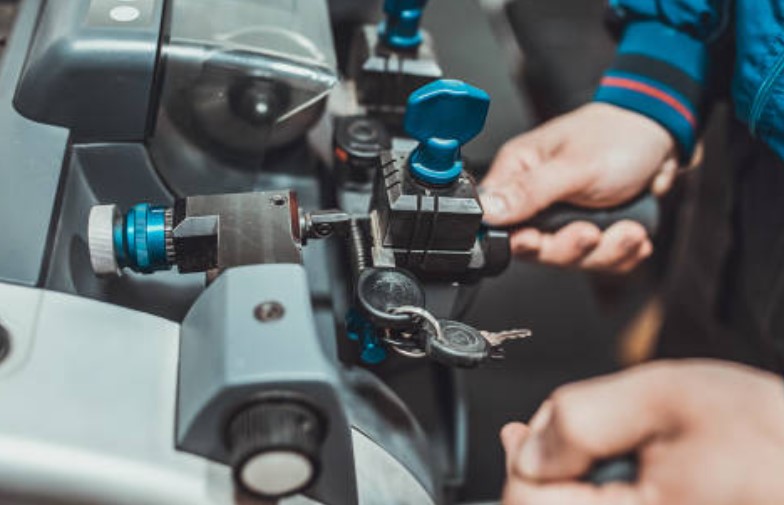
The realm where technology and locksmithing intersect has become an enthralling landscape of innovation. As we delve into this fascinating world, we unravel the latest advancements shaping the future of security. The evolution of locks has taken an extraordinary leap, transforming the age-old concept of mechanical security into a technologically sophisticated domain.
Locksmith Ninja, a provider of locksmith services in Perth Australia, shares their insight about the technology behind locksmithing.
In the fast-paced era we inhabit, locksmiths are not just craftsmen; they are tech-savvy guardians of our security. The amalgamation of traditional locksmithing skills with cutting-edge technology has birthed a new breed of professionals adept at navigating the intricate landscape of modern security systems. The phrase “locksmith” no longer conjures only images of metal keys and tumblers but extends to include a mastery of electronic algorithms and biometric authentication.
Biometric technology has emerged as a game-changer in the world of locks. No longer confined to high-security installations, biometric locks are increasingly becoming part of everyday life. Fingerprint scanners, retina recognition, and facial recognition are now integral components, providing a seamless and secure entry experience. This not only adds a layer of convenience but also elevates security to unprecedented levels.
Smart locks have become the epitome of futuristic security solutions. Connected to the Internet of Things (IoT), these locks offer remote control and monitoring capabilities. Imagine being able to grant access to your home or office remotely, or receiving real-time alerts about any suspicious activity. Smart locks are transforming the way we think about security, making it more accessible and manageable in our fast-paced lives.
The traditional complexity of mechanical locks has been surpassed by cryptographic innovations. These locks rely on advanced algorithms and digital codes, making them virtually impenetrable to traditional lock-picking techniques. As we move beyond the era of physical keys, cryptographic locks offer a heightened level of security, safeguarding against both physical and digital threats.
Wireless communication has silently revolutionized the way locks operate. From Bluetooth to RFID (Radio-Frequency Identification), locks are now seamlessly integrated into our digital lives. The convenience of keyless entry and the ability to share virtual keys with trusted individuals have become standard features in modern lock technology, making our daily routines more efficient.
While embracing the future of lock technology, it’s crucial to acknowledge the challenges and ethical considerations that come with it. As locks become smarter, the potential for cybersecurity threats also escalates. The responsibility falls on both manufacturers and consumers to prioritize security and privacy, ensuring that these advancements do not compromise our safety.
READ ALSO: Embracing Technology For Enhanced Background Checks
The journey into the cutting-edge technology behind locks reveals a convergence of innovation and security. Locksmiths, once the custodians of physical keys, now navigate a digital landscape where algorithms and biometrics reign supreme. As we unlock the future, it’s essential to recognize that the evolution of locks is not merely a technological leap but a commitment to enhancing the security and convenience of our daily lives.
In conclusion, the world of locks has transcended its mechanical origins, paving the way for a future where technology and locksmithing coexist harmoniously. From biometrics to smart locks and cryptographic innovations, each advancement contributes to a safer and more connected world.

Technology and fashion have embarked on an intriguing journey of collaboration, bringing forth innovations that seamlessly integrate into our daily lives. In the heart of this intersection lies the evolution of wardrobe design, where cutting-edge tech transforms not just functionality but also elevates the aesthetics of your wardrobe collection in Malaysia.
In the bustling realm of fashion, where trends evolve faster than ever, the marriage of technology and wardrobe design has birthed a new era. Imagine a wardrobe not merely as a storage unit but as a dynamic space where the digital age harmonizes with timeless style.
Enter the realm of smart storage solutions that revolutionize how we organize and access our clothing. No more endless rummaging through heaps of garments – automated systems now bring efficiency to the fore. With motorized racks and intelligent shelving, your wardrobe collection becomes a symphony of order and accessibility.
Beyond storage, technology seamlessly integrates into the very fabric of your wardrobe, enhancing both form and function. The era of static closets is behind us; enter the age of intelligent wardrobes.
Picture a wardrobe that understands your style preferences and curates outfit suggestions tailored to the occasion. Digital wardrobe assistants, driven by artificial intelligence, analyze your clothing choices, weather forecasts, and upcoming events to offer personalized ensemble recommendations.
Say goodbye to the dilemma of ‘What to wear?’ as interactive mirrors redefine your dressing routine. These mirrors, embedded with touch-sensitive technology, transform into virtual fitting rooms.
Preserving the longevity of your wardrobe is no longer a challenge, thanks to innovations in smart fabric care. Technology ensures that your garments receive the care they deserve, prolonging their lifespan.
Beyond the functionality, the integration of technology into wardrobe design brings forth a new era of aesthetic appeal and adaptability.
Illuminate your wardrobe collection with customizable lighting solutions. LED strips and ambient lighting not only showcase your garments in the best light but also create an ambiance that aligns with your mood.
Wardrobe materials themselves undergo a transformation, with futuristic materials taking center stage. From self-healing surfaces to temperature-regulating panels, these materials redefine the durability and adaptability of your wardrobe.
As the tech-infused wardrobe trend spreads its wings globally, Malaysia embraces this fusion with open arms. The vibrant fashion scene of Kuala Lumpur finds a companion in smart wardrobe solutions, where tradition meets innovation.
The diversity of Malaysia’s cultural tapestry reflects in its fashion choices. Smart wardrobes seamlessly integrate into this cultural diversity, offering adaptability to varying styles and preferences.
As we navigate this era where technology intertwines with the very fabric of our lives, the future of wardrobe design holds exciting promises. The smart wardrobe is not just a functional space but a testament to the evolving relationship between tech and trends.
The convergence of technology and fashion brings forth a renewed focus on sustainability. Smart wardrobes, with their ability to optimize space and preserve garments, align with the growing consciousness towards eco-friendly practices.
Looking ahead, the concept of a personalized fashion ecosystem takes center stage. Technology evolves to create an interconnected network where your wardrobe communicates with your devices, making the entire fashion experience seamless and tailored to your preferences.
READ ALSO: New Tech Trends For The Modern Kitchen
In the vibrant tapestry of fashion and technology, the fusion of smart wardrobe cabinets and timeless style emerges as a harmonious melody. From the efficiency of smart storage to the aesthetics of futuristic materials, the journey unfolds with Malaysia at its forefront.
 In today’s fast-paced world, where safety and reliability are paramount, the role of technology in conducting thorough background checks has become increasingly significant. Good private investigation services from companies and organizations, keen on ensuring a safe and trustworthy environment, are turning to advanced technological solutions to streamline and enhance their background checking processes.
The era of manual background checks, characterized by lengthy processes and potential inaccuracies, is gradually giving way to digital solutions. These advancements are not just about speed; they represent a paradigm shift in how information is gathered, analyzed, and verified. Digital platforms now allow for a more comprehensive and efficient review of an individual’s history, encompassing criminal records, employment history, educational background, and even social media footprints.
Big data and analytics play a crucial role in the evolution of background checks. By harnessing vast amounts of data and employing sophisticated algorithms, organizations can uncover patterns and insights that were previously inaccessible. This approach enhances the accuracy of background checks, reduces the risk of overlooking critical information, and enables a more nuanced understanding of an individual’s profile.
As technology advances, so do the concerns around cybersecurity and data privacy. It’s imperative that organizations implementing technological solutions for background checks prioritize these aspects. Safeguarding personal information and ensuring compliance with data protection regulations are not just legal requirements but also crucial for maintaining trust and integrity in the process.
Artificial Intelligence (AI) and Machine Learning (ML) are revolutionizing background checks by automating and enhancing decision-making processes. AI algorithms can quickly sift through large volumes of data, identify discrepancies, and flag potential issues, thereby reducing human error and bias. ML models, trained on historical data, can predict potential risks and provide more informed assessments.
The future of background checks lies in the seamless integration of technology with traditional methods. While technology can offer speed and efficiency, the human element remains crucial for interpretation and judgment. The key is to strike a balance, where technology complements human expertise, leading to more accurate and reliable background checks.

Flowers have long been messengers of emotion, conveying sentiments from love and celebration to sympathy and apologies. In the digital age, technology is intertwining with this timeless tradition, giving rise to a new era of flower delivery (дубай доставка цветов) experiences. In this fast-paced world, where convenience and innovation are paramount, the intersection of technology and flowers brings forth a bouquet of possibilities, transforming the way we send and receive these delicate expressions of affection.
In a world where instant gratification often takes precedence, flower delivery has embraced technology to keep pace with the demands of the modern consumer. Here’s a glimpse into the tech-driven features reshaping the landscape of flower delivery:
Imagine being able to see exactly how a bouquet will look in your recipient’s hands before placing an order. Augmented reality (AR) is turning this fantasy into reality. Tech-savvy florists are now offering AR previews, allowing customers to virtually place different flower arrangements in their desired spaces. This not only enhances the shopping experience but also ensures that the chosen bouquet perfectly suits the intended setting.
The anxiety of waiting for a flower delivery is now alleviated through smart tracking systems. Real-time updates, akin to those provided by package delivery services, offer customers peace of mind as they monitor the journey of their floral gift. From leaving the florist to arriving at the recipient’s doorstep, these tracking features add an element of excitement to the entire flower delivery experience.
Technology is enabling a more personalized approach to flower gifting. Advanced algorithms analyze preferences and occasions, providing customers with tailored suggestions for the perfect bouquet. Whether it’s a romantic gesture or a gesture of sympathy, these algorithms ensure that the chosen flowers carry the intended message, making each delivery a unique and thoughtful experience.
Preserving the beauty of flowers is a priority for both senders and recipients. Smart vases equipped with sensors and hydration monitoring technology are extending the lifespan of floral arrangements. These high-tech vases alert recipients when it’s time to add water or adjust the environment, ensuring that the blooms stay vibrant and fresh for an extended period.
For those who appreciate the artistry behind floral arrangements, virtual flower workshops are becoming a popular addition to the flower delivery experience. Customers can now engage in interactive sessions to learn the basics of arranging flowers, turning the act of receiving blooms into a creative and educational endeavor.
As we step into this era where technology and flowers harmoniously coexist, the flower delivery experience is evolving beyond mere transactions. It’s becoming a blend of innovation and emotion, where the act of sending or receiving flowers is enhanced by the conveniences technology affords.
In a world where connections matter more than ever, the intersection of tech and petals is creating an ecosystem that caters to the diverse needs and desires of individuals expressing their feelings through flowers. From the seamless tracking of a bouquet’s journey to the immersive experience of virtually arranging flowers, these innovations are not just about delivering blooms; they’re about delivering meaningful moments.
READ ALSO: Unlocking Your Online Influence: Harnessing Technology to Gain More Followers
So, the next time you think about flower delivery, envision more than just a simple exchange of flowers. Picture a world where technology intertwines with the delicate petals, adding layers of convenience, personalization, and joy to the timeless tradition of gifting flowers.
Tech Petals is not just a phrase; it’s a glimpse into the future of floral experiences, where every bloom tells a story, and every delivery is a celebration of connection.

In the dynamic realm of home insulation, innovations continually reshape the landscape, with closed cell spray foam insulation services emerging as a standout solution. This comprehensive guide delves into the science and technology behind this increasingly popular method, uncovering its unique composition, exceptional thermal performance, and the latest breakthroughs in scientific research.
Closed cell spray foam insulation services have gained traction for their ability to provide an airtight seal, effectively creating a barrier against heat transfer. Comprising a combination of polyurethane and isocyanate, this foam expands upon application, filling gaps and voids to create a robust insulation layer. The closed-cell structure ensures a denser and more rigid foam, offering enhanced insulation properties compared to open-cell alternatives.
One of the key reasons closed cell spray foam insulation is gaining popularity is its remarkable thermal performance. This insulation method boasts a high R-value, indicating its efficiency in resisting heat flow. Homeowners benefit from increased energy efficiency, reduced utility bills, and a more comfortable living environment year-round.
To comprehend the science behind closed-cell-type spray foam insulation, it is important to understand its composition. The polyurethane and isocyanate components undergo a chemical reaction during application. This reaction triggers the expansion of the foam, allowing it to fill even the tiniest crevices. As a result, the insulation forms a continuous and impermeable layer that effectively hinders the infiltration of air and moisture.
In recent years, closed cell spray foam insulation has witnessed a surge in popularity, and for good reason. Homeowners and builders alike are drawn to its myriad benefits, including:
To grasp the full scope of closed cell spray foam insulation, staying informed about the latest scientific research and breakthroughs is paramount. Curated news and media coverage shed light on advancements in the field, from improved formulations to novel application techniques. This ongoing research ensures that the insulation method continues to evolve, meeting the ever-changing demands of the construction industry.
READ ALSO: Airdoctor 5000 – Technology For Cleaner And Healthier Air In Your Home
In an era where the call for energy-efficient and environmentally sustainable construction methods intensifies, closed cell type spray foam insulation emerges as a beacon of ingenuity. Its capacity to diminish energy consumption, paired with its adaptability and resilience, establishes it as a crucial element in the pursuit of more eco-friendly living environments.
In conclusion, closed cell spray foam insulation services are not merely a trend but a transformative technology shaping the future of building insulation. By understanding its composition, appreciating its thermal performance, and staying abreast of scientific advancements, homeowners and builders can make informed decisions to create more energy-efficient and comfortable living environments.

Germany, renowned for its efficiency, precision, and cutting-edge technology, extends these attributes to its railway system. In this digital age, where technology seamlessly integrates with daily life, the German Railway experience has undergone a significant transformation. From augmented reality apps to smart ticketing solutions, navigating the vast railway network has never been more efficient. Let’s delve into the realm of German railway information (Deutsche Bahn auskunft) and explore how technology is reshaping the travel experience across the country.
One of the technological marvels enhancing the German railway experience is the integration of augmented reality (AR) apps. Imagine having a digital guide at your fingertips, providing real-time information about train schedules, platforms, and nearby amenities. AR apps, such as DB Navigator, leverage your smartphone’s camera to overlay digital information onto the physical world. This means you can simply point your device at a train station, and relevant information will appear on your screen, ensuring a seamless and informed journey.
Gone are the days of fumbling through pockets or purses for paper tickets. The German Railway has embraced smart ticketing solutions, making ticketing processes smoother and more efficient. With a simple scan of your smartphone or a contactless card, you can board your train hassle-free. This not only reduces paper waste but also streamlines the boarding process, allowing you to focus on enjoying the picturesque German landscapes that pass by your window.
German railway information is at your fingertips with real-time updates. Whether it’s information about delays, platform changes, or alternative routes, staying informed has never been easier. Travelers can receive instant notifications on their smartphones, ensuring they are always one step ahead and can plan their journey accordingly. This real-time connectivity adds a layer of convenience, making the German Railway experience more adaptable to unexpected changes.
Staying connected while on the move is a priority for modern travelers. The German Railway understands this need and has made significant strides in providing connectivity options. Many trains now offer onboard Wi-Fi, allowing passengers to catch up on work, stay connected with loved ones, or simply enjoy entertainment during their journey. This connectivity not only enhances the travel experience but also reflects Germany’s commitment to keeping passengers engaged and productive while on the rails.
Beyond the realm of convenience, technology is also playing a crucial role in making German railway travel more sustainable. From eco-friendly train designs to energy-efficient systems, the focus on reducing the environmental impact is evident. Travelers can now choose a mode of transportation that aligns with their eco-conscious values, contributing to a greener future.
READ ALSO: Unlocking Your Online Influence: Harnessing Technology to Gain More Followers
In conclusion, the convergence of technology and travel on the German Railway is a testament to the nation’s commitment to innovation and efficiency. Augmented reality apps, smart ticketing, real-time updates, onboard connectivity, and sustainability efforts collectively redefine the travel experience. As you embark on your journey through Germany, let technology be your guide, ensuring a smooth and enjoyable ride through one of Europe’s most picturesque landscapes.